Zamjenice
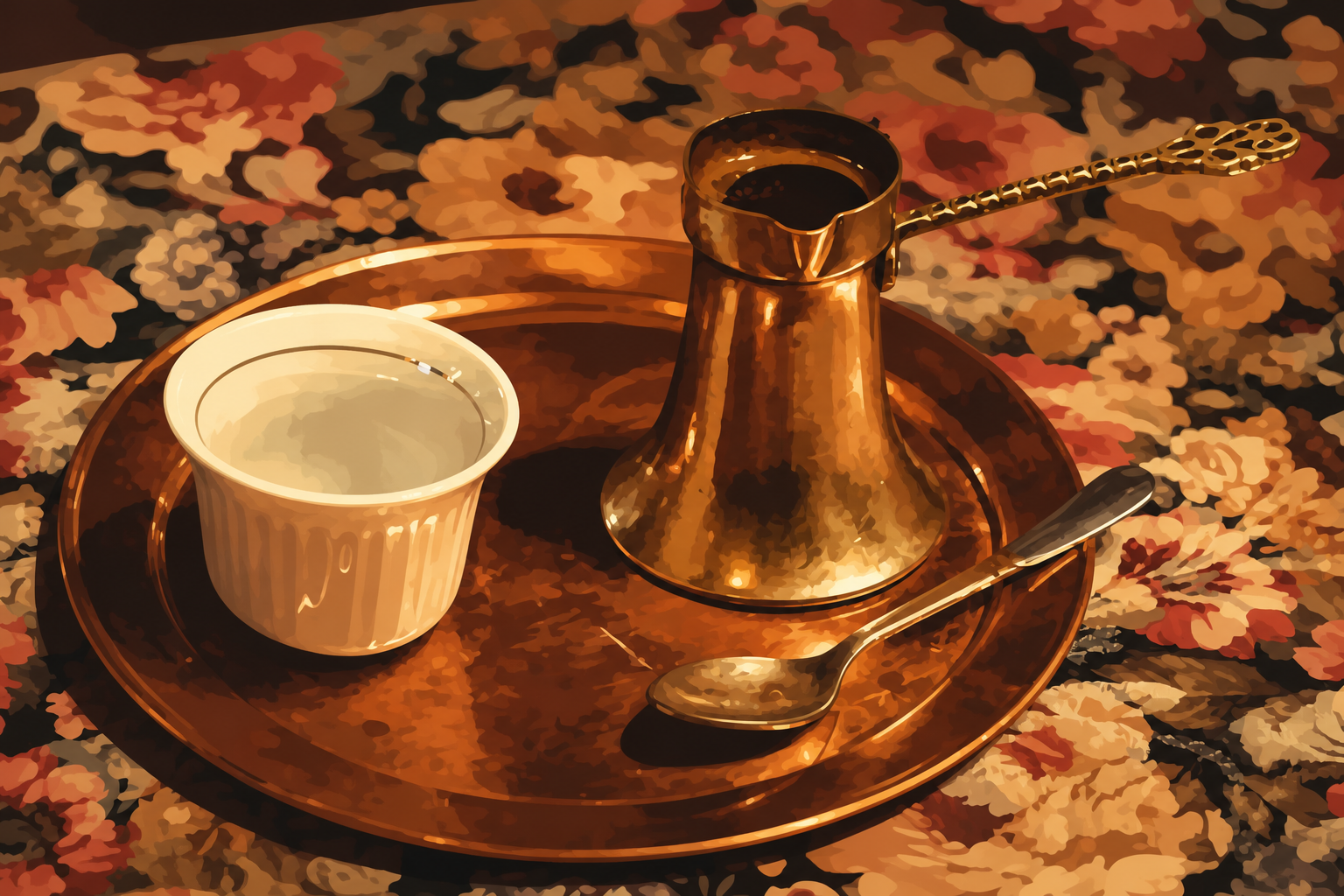
Amira’s coffee at her place needs kod mene, the long form after the little word.
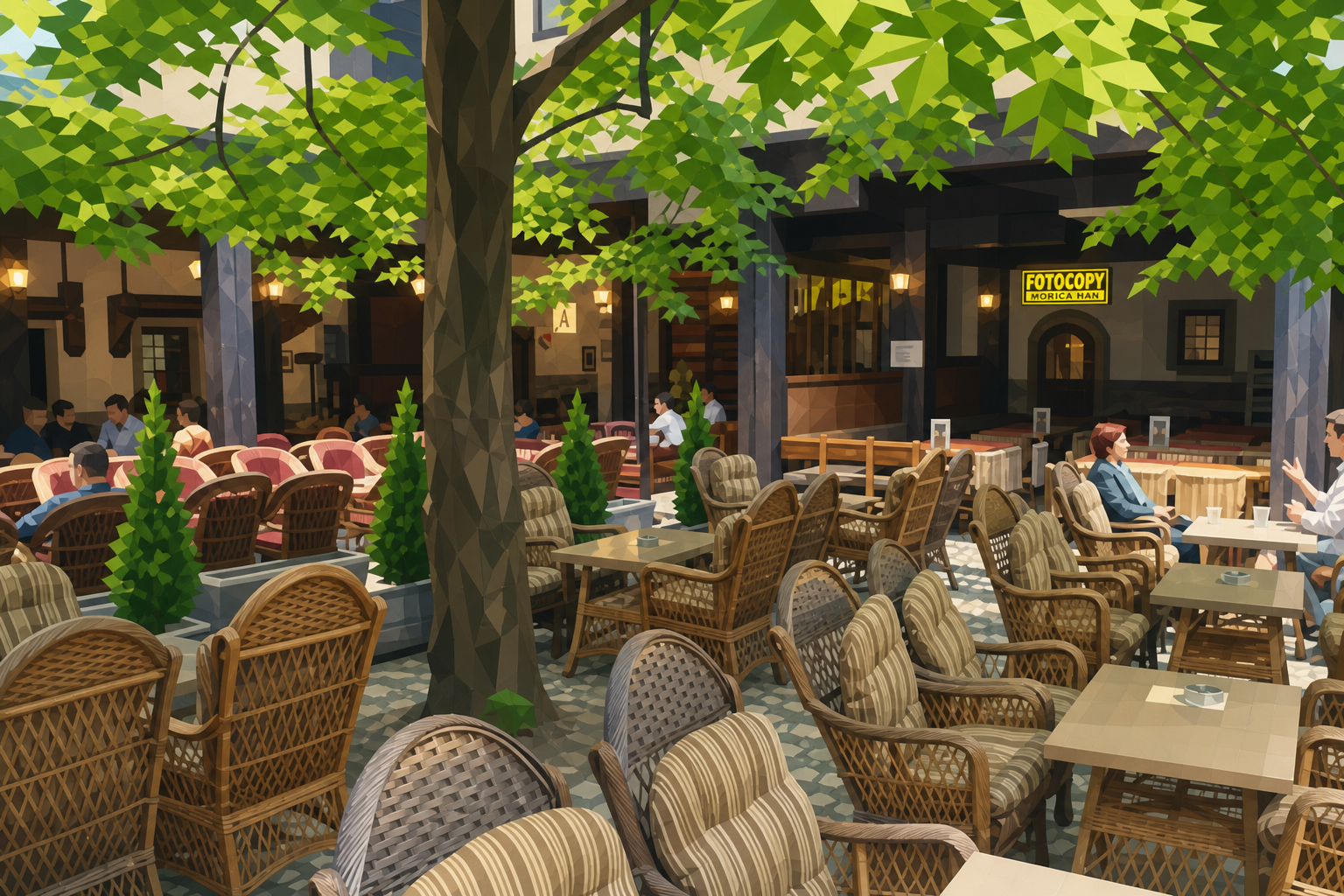
G.7aMorića Han courtyard café, Sarajevo
Why you are here
Today you learn why Bosnian has a long me and a short me, and why a little word like kod forces the long one. English already splits I and me. Bosnian splits me again into mene and me. Book 1 already gave you Amira saying kahvu kod mene. That long form after kod is the whole point today.
Why English lies
English lies because it only keeps one me after I. You say she sees me and coffee at my place without a second outfit for me. Bosnian keeps a full form and a short form for the same job. The short form leans on the doing-word, like me in Vidi me. The full form stands on its own, like mene when you need stress or when a little word such as kod sits in front. Schools call these words zamjenice, which means pronouns. You can keep saying long me and short me and still be right.
A line you already say
Book 1 already gave you Amira’s line Danas pijemo kahvu kod mene, which means today we drink coffee at my place. Kod is a little word that sits in front of the person. After that little word Bosnian needs the long form mene, not the short me. Today you contrast that line with short me after a doing-word, and you keep the same coffee on the table.
The pattern
You use short me when it can lean on the doing-word, and long mene when it must stand alone or follow a little word in front. Vidi me means see me, and the short form rides behind the doing-word. Kod mene means at my place, and the long form follows kod. The same split shows up on you as te versus tebe, and on him as ga versus njega. Ja versus mene or me is only a light pointer back to name-it versus want-it, not a second case lesson. Learn ja, mene, and me first on the coffee lines, then copy the same long-versus-short habit onto ti.
| Job | Long form | Short form |
|---|---|---|
| I do it | ja | (none today) |
| It hits me | mene | me |
| It hits you | tebe | te |
| After a little word | kod mene | not kod me |
Za mene keeps the long form because za sits in front of me.
The pests
Two pests will trip you today. The first pest is saying kod me, which tries to hang the short form after a little word that needs the long one. The second pest is saying Vidi mene every time, which is not always wrong for stress, but it sounds heavy when short me is the everyday lean. Book 1 also gave you Boli me glava for a short me that leans on the doing-word. Keep kod mene for the little-word line, and keep me for the lean.
The bit that tricks you
The trap is to treat mene and me as two different people. They are the same me in two outfits. The other trap is to borrow English at me and say na me or kod me. After a little word in front, Bosnian wants the long outfit. Short me has nowhere sturdy to lean if the only neighbor is kod or za. That is why Amira says kod mene when the coffee is at her place.
| English idea | Bosnian | Why |
|---|---|---|
| See me. | Vidi me. | short form leans on the doing-word |
| At my place. | kod mene | little word in front needs long form |
| For me. | za mene | same long form after za |
| It hurts me. | Boli me. | short form leans again |

Vidi me can use the short form because the doing-word carries the lean.
Sample words
Tap a word to hear it.
Look at these
Each line has a speaker. Tap the line to hear it. On some lines you can record yourself for a short Speak Check.
Speak Check listens to your recording and sends back short tips.
Speak Check listens to your recording and sends back short tips.
Speak Check listens to your recording and sends back short tips.
Try these
Coffee at my place. Which form after kod?
See me, everyday lean. Which form?
The coffee is for me. Which form after za?
Someone says kod me. What went wrong?
I want coffee. Which form does the wanting?
See you, everyday lean. Which form?
The coffee is for you. Which form after za?
Boli me glava. Why me, not mene?
Are mene and me different people?
Which line needs the long form?
Quick check
1. The beer is for him. Which form after za?
2. Danas pijemo kahvu kod mene. Why mene?
3. Vidi me uses which outfit?
4. Which is wrong?
5. Ja želim kahvu. What is ja doing?
6. What comes next after pronouns?
Next
You now know why mene and me are the same me in two outfits, and why kod mene needs the long form. Short forms lean on the doing-word. Chapter 8 starts the doing-word map for real, the present tense behind the Book 1 chunks. You still will not get a seven-job chart.
