Vid
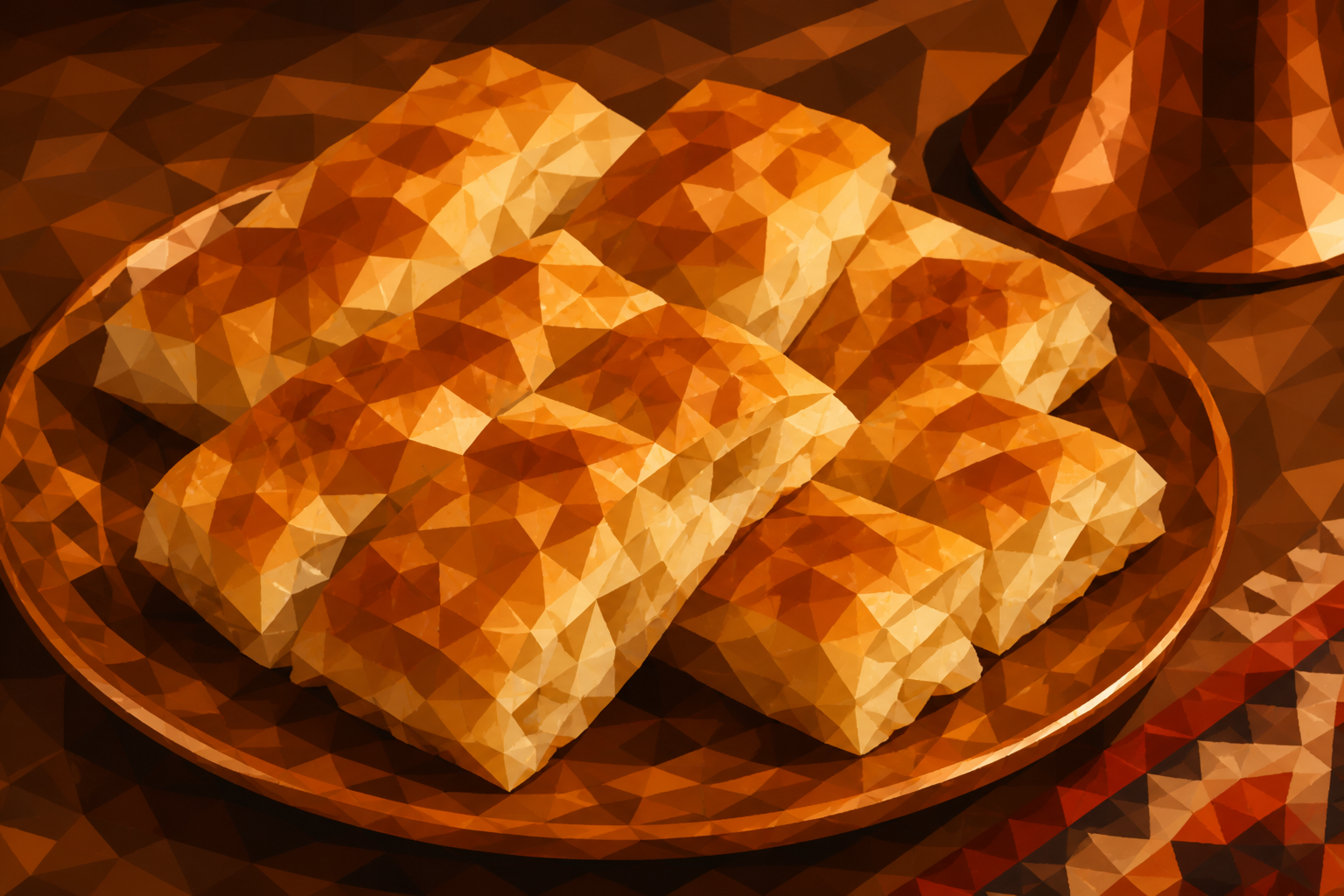
Jedem burek is the open bite, and pojesti is eat the burek up when the tray is the finish line.
Why you are here
Today you learn why Bosnian often needs two doing-words for one English verb. English says eat for the ongoing plate and for the empty plate, but Bosnian splits that work. Jesti is eat along the way, and pojesti is eat up when the whole thing is done. You already have the present who-map from Chapter 8, and this chapter is only the finish-line. Schools call the split vid, which means aspect, and you can keep saying open versus done and still be right.
Why English lies
English lies because one verb covers both habits. I eat bread can mean a habit, a bite in progress, or a finished meal, and English leans on extra words like up or finished when it cares. Bosnian builds the finish into a second verb, so piti is drink along the way and popiti is drink up. Raditi is work or do along the way, and uraditi is get it done. The pair is not past tense. It is whether the action is open or sealed.
A line you already say
Book 1 already gave you Ana’s line Želim kahvu, which means I want coffee. Wanting sits outside today’s twin pick. When Amira is mid-cup she says Pijem kahvu, which means I am drinking coffee. That is the open twin of piti. The sealed twin is popiti, the drink-it-up verb Emir uses when he says Popij kahvu. Today you only need the shock that piti and popiti are a pair. Past endings wait for Chapter 10.
The pattern
Think of an open film versus a sealed photo. The open verb covers habits and action in progress, and the sealed verb covers the whole event with a finish line. Coffee uses piti while the cup is open and popiti when the drink is meant to be finished, and bread uses jesti and pojesti the same way. Work uses raditi along the way and uraditi when the job should be done, and going uses ići on the road and otići when leaving is the whole trip. Prefixes like po-, u-, and o- often mark the sealed twin, but you learn pairs, not a fake math rule. Keep the Chapter 8 who-endings on whichever twin you pick, because the finish-line is a different system from who.
| English | Open | Sealed |
|---|---|---|
| eat / eat up | jesti | pojesti |
| drink / drink up | piti | popiti |
| do / get done | raditi | uraditi |
| go / leave | ići | otići |
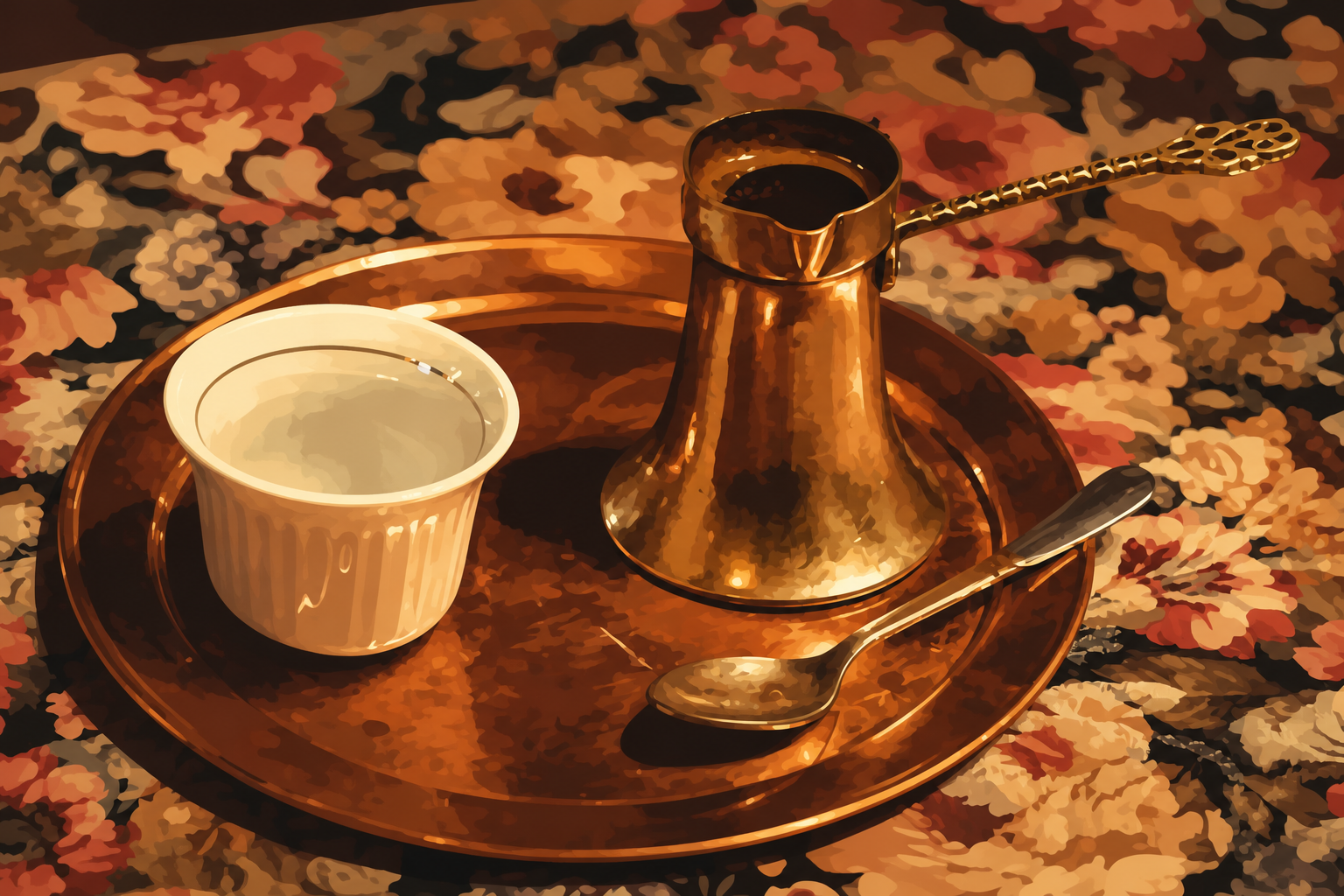
Pijem kahvu keeps the cup open, while popiti seals the same drink as drink up.
The pests
Two pests will trip English ears today. The first pest is translating every English present with a sealed verb because it feels more complete. Pijem kahvu is normal for a cup in progress. Popijem kahvu picks the sealed twin and usually looks ahead to a finished cup, not a sip in progress. Popij kahvu is the finish command on that same sealed twin. The second pest is hunting a sealed twin for every word on day one. Some verbs live mostly open, and some pairs you just memorize with coffee and bread. Do not invent fake prefixes. Learn the town pairs first.
The bit that tricks you
The trap is to call the sealed verb past tense. Pojesti is still a doing-word about finishing, not a time machine by itself. Past tense hangs sam and gender endings on top, and that is tomorrow. The other trap is to force English up onto every Bosnian line. Sometimes Bosnian picks the open verb for a habit even when English would say finished. Listen for open versus done, not for a magic English particle.
| Scene | Better twin | Why |
|---|---|---|
| Mid-cup at the café | Pijem kahvu. | open, in progress |
| Finish that coffee | Popij kahvu. | sealed command |
| Habit. I eat bread. | Jedem hljeb. | open habit |
| Eat the burek up | Pojedi burek. | sealed command |

Idem na most keeps going open, and otići seals leaving as the whole trip.
Sample words
Tap a word to hear it.
Look at these
Each line has a speaker. Tap the line to hear it. On some lines you can record yourself for a short Speak Check.
Speak Check listens to your recording and sends back short tips.
Speak Check listens to your recording and sends back short tips.
Speak Check listens to your recording and sends back short tips.
Try these
Mid-cup. I am drinking coffee.
Tell Emir to drink the coffee up.
Habit. I eat bread.
Tell Ana to eat the burek up.
Get that done.
Is pojesti already past tense?
I am going to the bridge, still on the way.
Which pair matches drink / drink up?
Someone always picks the sealed twin for every present sentence. What went wrong?
You must eat the bread up. Which line?
Quick check
1. What is today’s system?
2. Pijem kahvu is which twin?
3. Popij kahvu tells someone to do what?
4. Why is pojesti not already the past?
5. Raditi pairs with which sealed twin?
6. What comes next?
Next
You now know why jesti and pojesti both translate eat, and why the sealed twin is not automatically past. Chapter 10 hangs sam and the gender endings -o, -la, and -lo on those same verbs. Emir was there and Ana was there will finally split on the doing-word.
