U prodavnici
Lesson goals
Vocabulary
- Name prodavnica, pijaca, kesa, and novac
- Buy jabuka, banana, voda, and mlijeko
- Ask Koliko košta and react with jeftino or skupo
Grammar
- Use Želim plus an object to say what you want
- Keep molim and hvala in the polite kit
- Reuse present-tense patterns from earlier lessons.
Culture
- Feel market energy in Tuzla, north of Sarajevo’s old bazaar
- Use short polite routines to keep the queue moving
Watch the companion video
Watch when you can, then come back for words, dialogue, and practice on this page.
How to speak Bosnian (YouTube). Companion video for Lesson 9
Market day energy in Tuzla
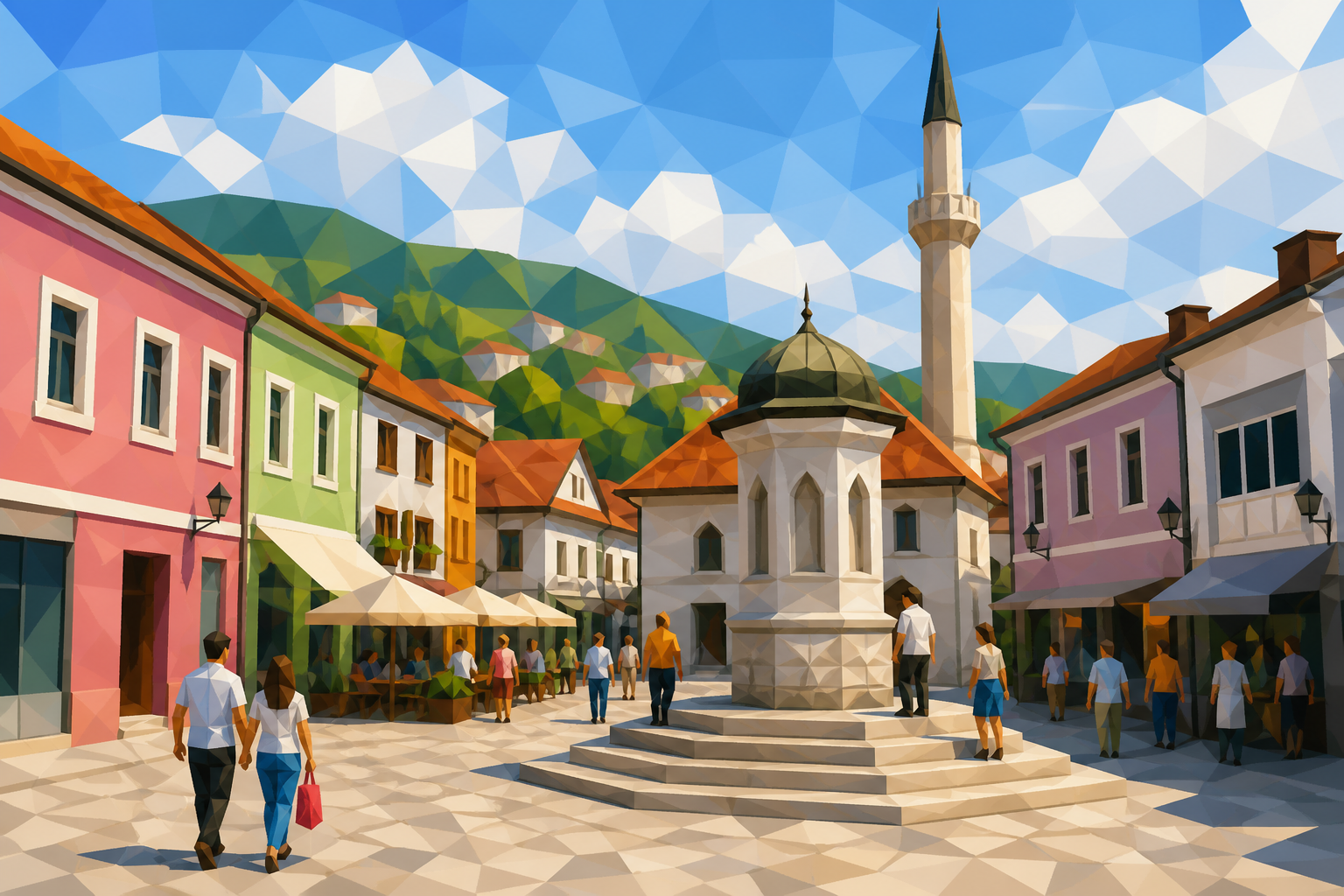
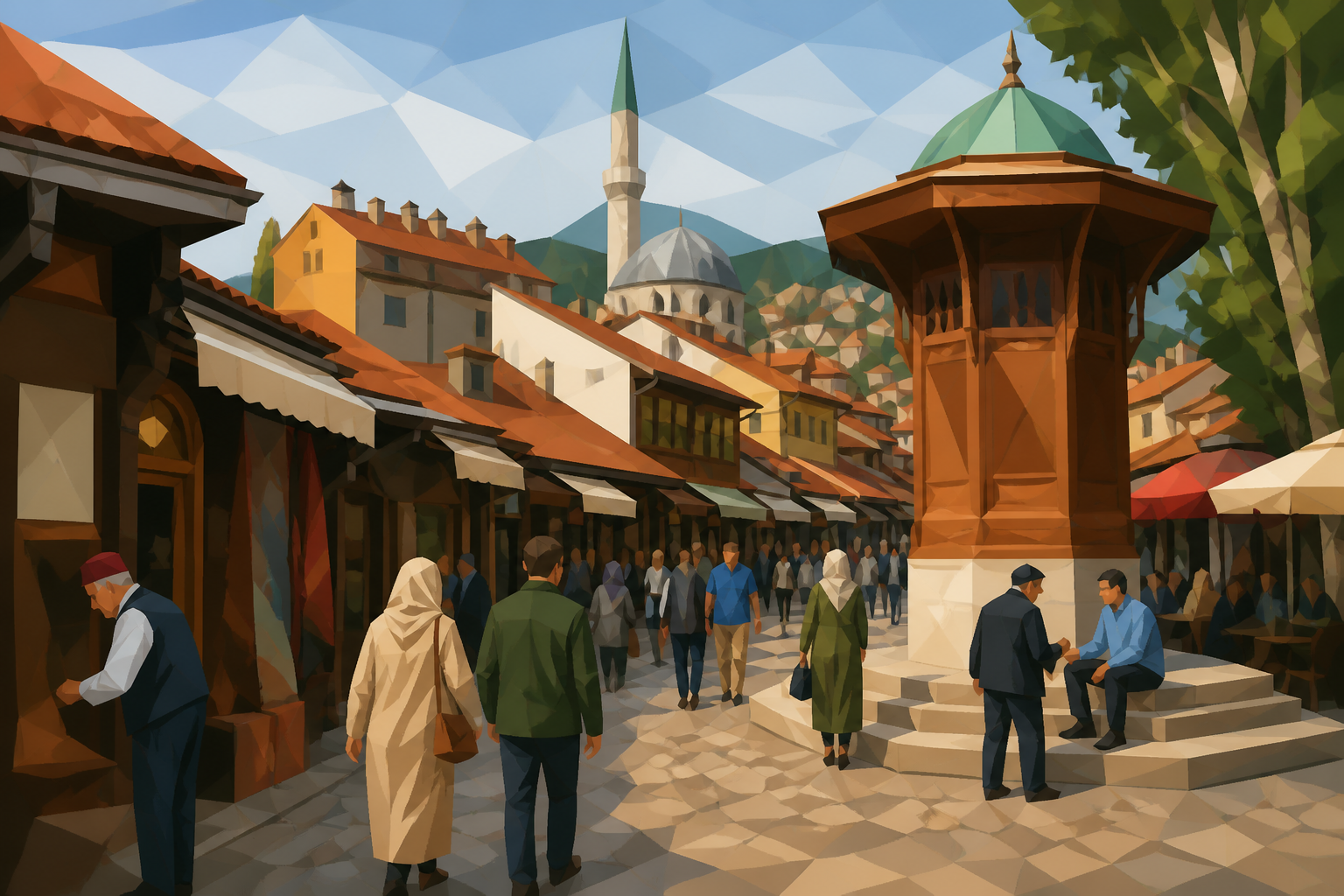
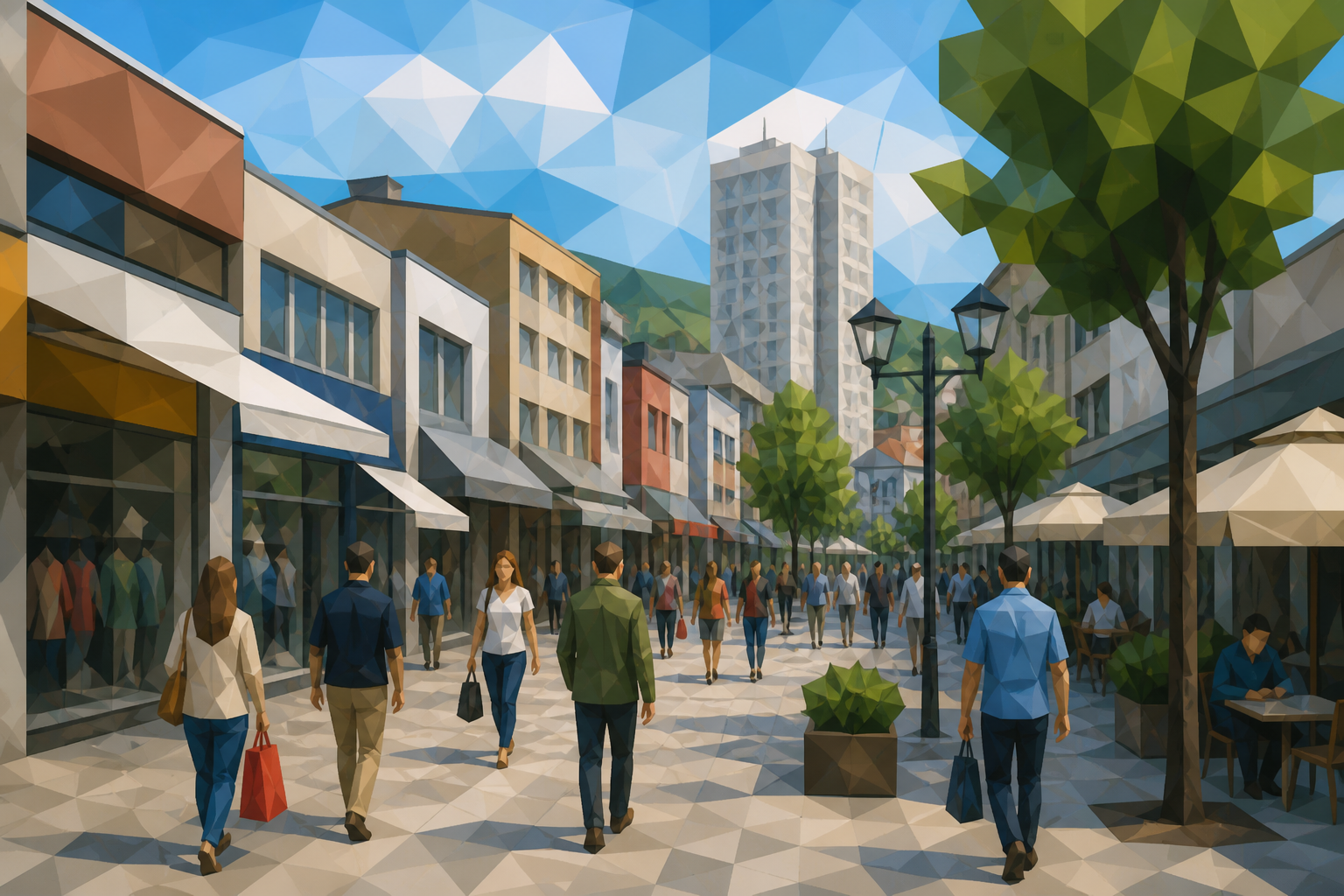
Emir takes Ana shopping with photos from Tuzla in the northeast. One photo shows an old-town street. Another shows a public fountain. People there buy fruit by the kilogram like it is the most normal errand in the world. A prodavnica can be a tiny corner shop. A pijaca is the open market where voices, scales, and kesa bags do most of the work. Today’s language stays short on purpose. You say what you want, you ask the price, and you finish with hvala.
Lesson vocabulary
Tap a word to hear it. Use Loop and slower speed when you want to shadow.
Grammar
Želim + object
Želim means I want. Use it at the counter. Say Želim jabuku. Say Želim hljeb. Say Želim vodu. Feminine -a nouns often take -u in the object position. Keep the list short and easy to say.
- Želim jabuku.: I want an apple.
- Želim vodu.: I want water.
- Želim hljeb.: I want bread.
Molim and hvala
Molim softens a request (Hljeb, molim.) and can also answer thank you, meaning you’re welcome. Hvala means thank you. Practice them together as Hvala! And Molim!
- Hljeb, molim.: Bread, please.
- Hvala!: Thank you!
- Molim!: You’re welcome!
Koliko košta?
Ask the price with Koliko košta? Answer with a number and KM if you know it, or just react. Say To je jeftino. Say To je skupo.
- Koliko košta?: How much does it cost?
- To je jeftino.: That is cheap.
- To je skupo.: That is expensive.
Say again
Warm up with four lines you already know.
- Volim burek.: I love burek.
- Volim sirnicu.: I love cheese pita.
- Ja sam gladna.: I am hungry.
- Dobar tek!: Enjoy your meal!
Lesson A. Shop words that move
Learn the places first. Prodavnica is a shop. Pijaca is a market. Add kesa for a bag and novac for money. Then stock the basket with jabuka, banana, voda, and mlijeko, plus hljeb from the last lesson. Practice pointing and naming before you speak full sentences. Emir makes Ana say mlijeko with lj rather than a soft English milk guess.
- Prodavnica is a shop. Pijaca is a market.
- Type mlijeko with lj
Match shop words
Match Bosnian to English.
Lesson B. Želim, molim, hvala
Run the counter script as full sentences. Say Želim jabuku, molim. Ask Koliko košta? Finish with Hvala! Grab a kesa. Decide whether the price is jeftino or skupo. Ana almost pays with the wrong coins, Emir laughs, and Mrvica somehow appears near the fruit crate as if she has a loyalty card.
- Keep Želim, molim, Koliko košta, and Hvala ready
- React with jeftino or skupo after the price
Na pijaci
Amira sends Ana and Emir for fruit and milk. A shopkeeper weighs apples at a small counter.
Play the full scene once. Then tap a line to hear it. On some lines you can record yourself for a short Speak Check.
Speak Check listens to your recording and sends back short tips.
Speak Check listens to your recording and sends back short tips.
Speak Check listens to your recording and sends back short tips.
Practice
Your keyboard may not have č ć š ž đ. Tap the accent buttons under each box to insert them.
Write I want an apple (object form).
Hint: Želim jabuku
Write Bread, please.
Hint: …, molim
Write How much does it cost?
Hint: Koliko…
Write thank you.
Hint: h…
Write the Bosnian spelling for milk.
Hint: mlj-
Write That is expensive.
Hint: To je…
Write That is cheap.
Hint: To je…
Write A bag, please.
Hint: Kesa…
Fun facts
KM on the price tag
Shop prices in Bosnia and Herzegovina are written in convertible marks, or KM. You do not need a finance lecture to use the currency in a market line. Ask Koliko košta, hear a number, and pay. For this lesson, KM is simply the money word that makes shopping phrases real.
Tuzla’s other fame
Tuzla is a major northeast city with its own market rhythm. It is known for salt heritage and for a large urban center that is not Baščaršija. A shopping day there feels local and practical rather than tourist-postcard. That is why Emir uses Tuzla photos when Ana practices prodavnica language.
Molim does double duty
Molim is one of the most useful shop words in Bosnian. It can soften a request as please, and it can answer hvala as you’re welcome. Context tells you which meaning you just heard. Learn both uses now, because you will meet them in every polite purchase.
Kesa is not optional
Asking for a kesa is a normal end to a purchase. Fruit, bread, and bottles are easier to carry in a bag, and clerks expect the request. Saying Kesa, molim also gives you one more clean practice of molim. Leave the counter with the bag and the phrase both under control.
Čuj Bosnu. Shopping phrases in lesson speech
Hear how much is… and other everyday shopping phrases outside our studio cast.
Speaker · SynapseLingo · Shop / prices · focus ~45-90 seconds
Watch & listen
SynapseLingo Bosnian shopping phrases on YouTube (YouTube Terms of Service (embed))
Listen for price or wanting phrases you can reuse at a counter.
Press play on the video above. After you have listened, show the gist question.
Bosnia today
Tuzla’s factories closed faster than new jobs arrived
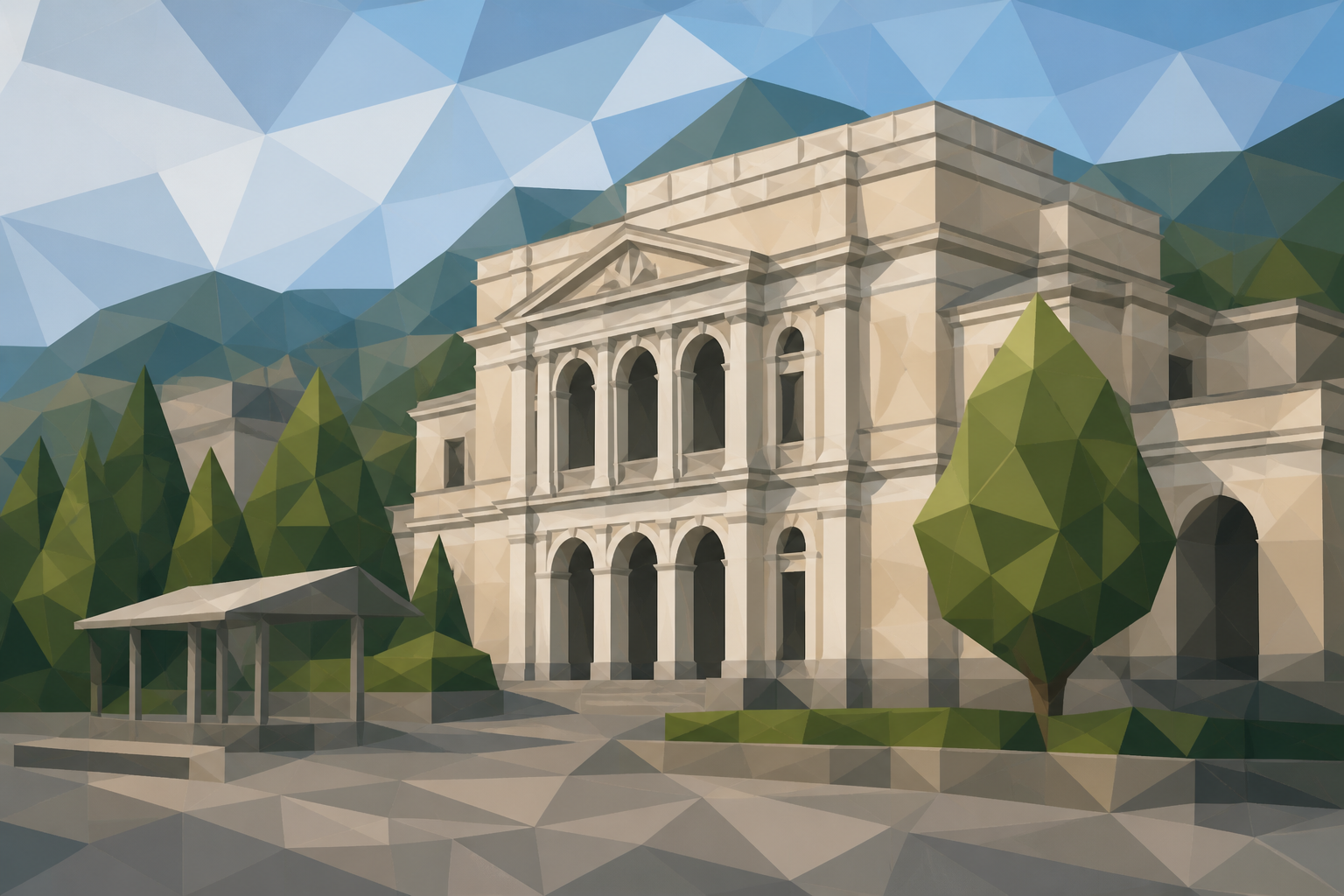
Tuzla’s postwar story is one of industrial jobs disappearing faster than steady replacements arrived. The city was a major mining, chemical, and energy center that employed large parts of the region. After the war, many plants shrank or closed through damage, privatization, and market collapse, leaving long stretches of unemployment and insecure work. Markets and small shops kept daily shopping alive, but they did not replace the industrial wages that once supported whole neighborhoods.
Practice game
Unscramble the request
Unscramble to make today’s phrases.
Need č ć š ž đ? Use the accent buttons under each box.
jabuku Želim molimkošta Kolikomlijeko ŽelimQuick review
A few words from this lesson, plus ones you missed before. Flip the card, then mark how it went.
Card 1 / 5
More resources
- How to speak Bosnian (YouTube). Companion video for Lesson 9
- Next. Lesson 10. Moja soba. Home words above Amira’s café
- Book 1 curriculum. See all lessons
Lesson quiz
Or open the full-page quiz: Lesson 9 quiz
Lesson 9 section quiz
1. What is a prodavnica?
2. How do you say I want milk?
3. Koliko košta? Asks about…
4. Which word means thank you?
5. Tuzla appears in this lesson as…
6. Ana asks for a bag. What does she say?
7. To je skupo means…
8. Which spelling is the Bosnian form for milk?
9. In the shopping listen clip, you mainly train…
