Koliko je sati?
Lesson goals
Vocabulary
- Ask the clock question Koliko je sati?
- Name jutro, podne, popodne, and večer
- Use danas, sutra, and the weekdays from ponedjeljak to nedjelja
Grammar
- Ask and answer the hour with sat and sati
- Use danas and sutra for today and tomorrow
- Reuse familiar present-tense frames from earlier lessons.
Culture
- See sahat-kule clock towers in towns across Bosnia and Herzegovina rather than only Sarajevo
- Visit Travnik under Vlašić, the Una near Bihać, and Neum on the Adriatic
Watch the companion video
Watch when you can, then come back for words, dialogue, and practice on this page.
How to speak Bosnian (YouTube). Companion video for Lesson 6
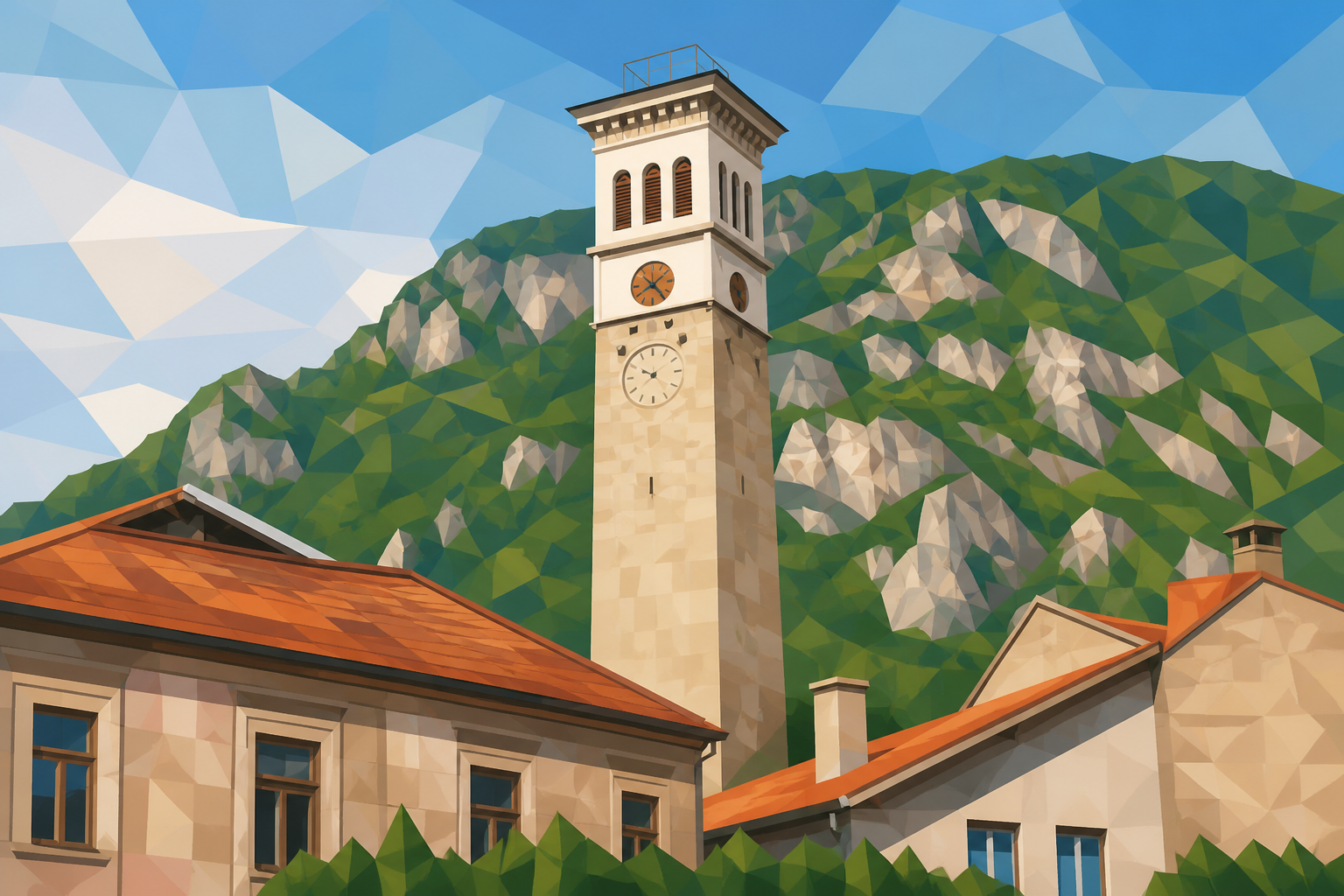
Time across Bosnia. Travnik’s sahat-kula
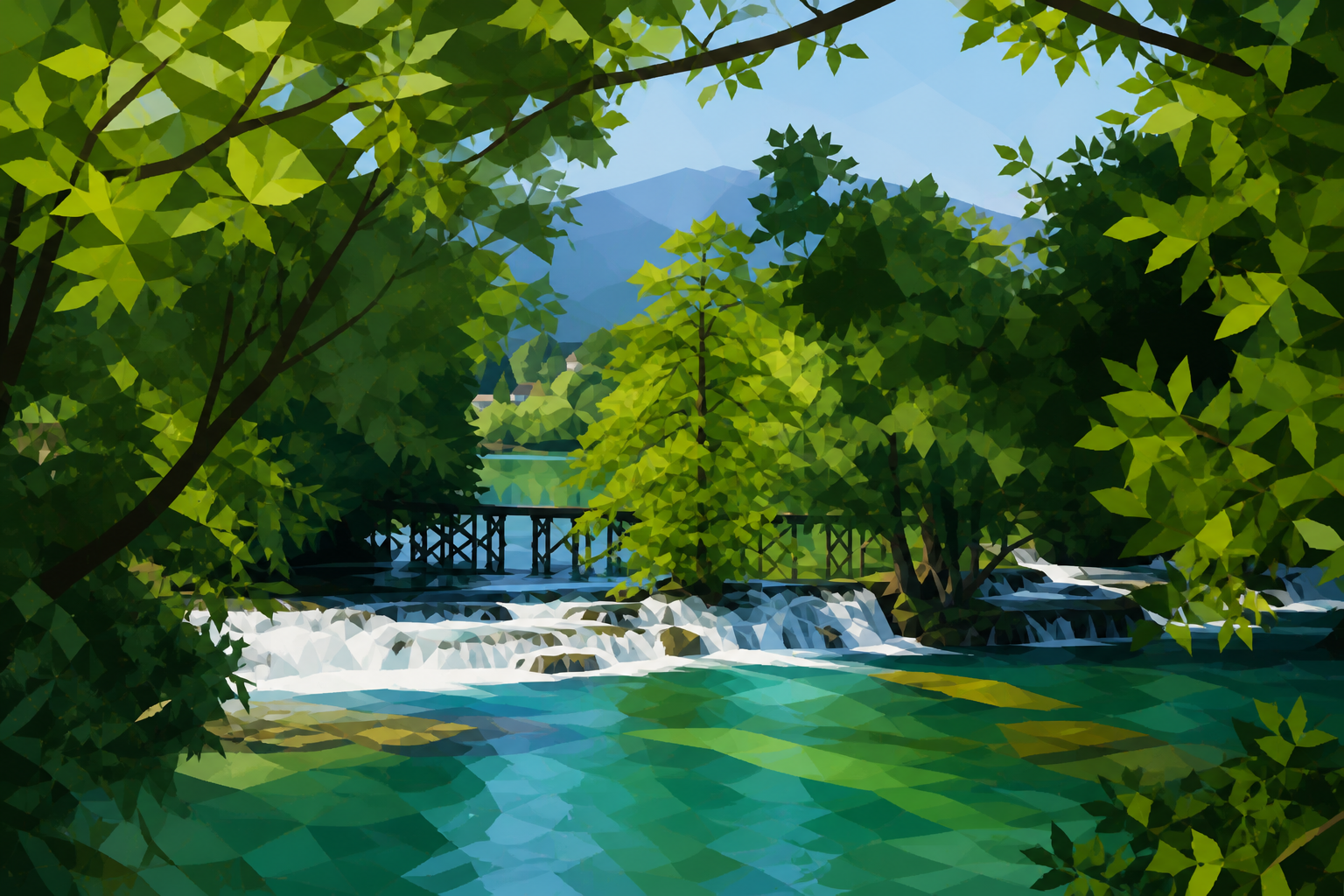
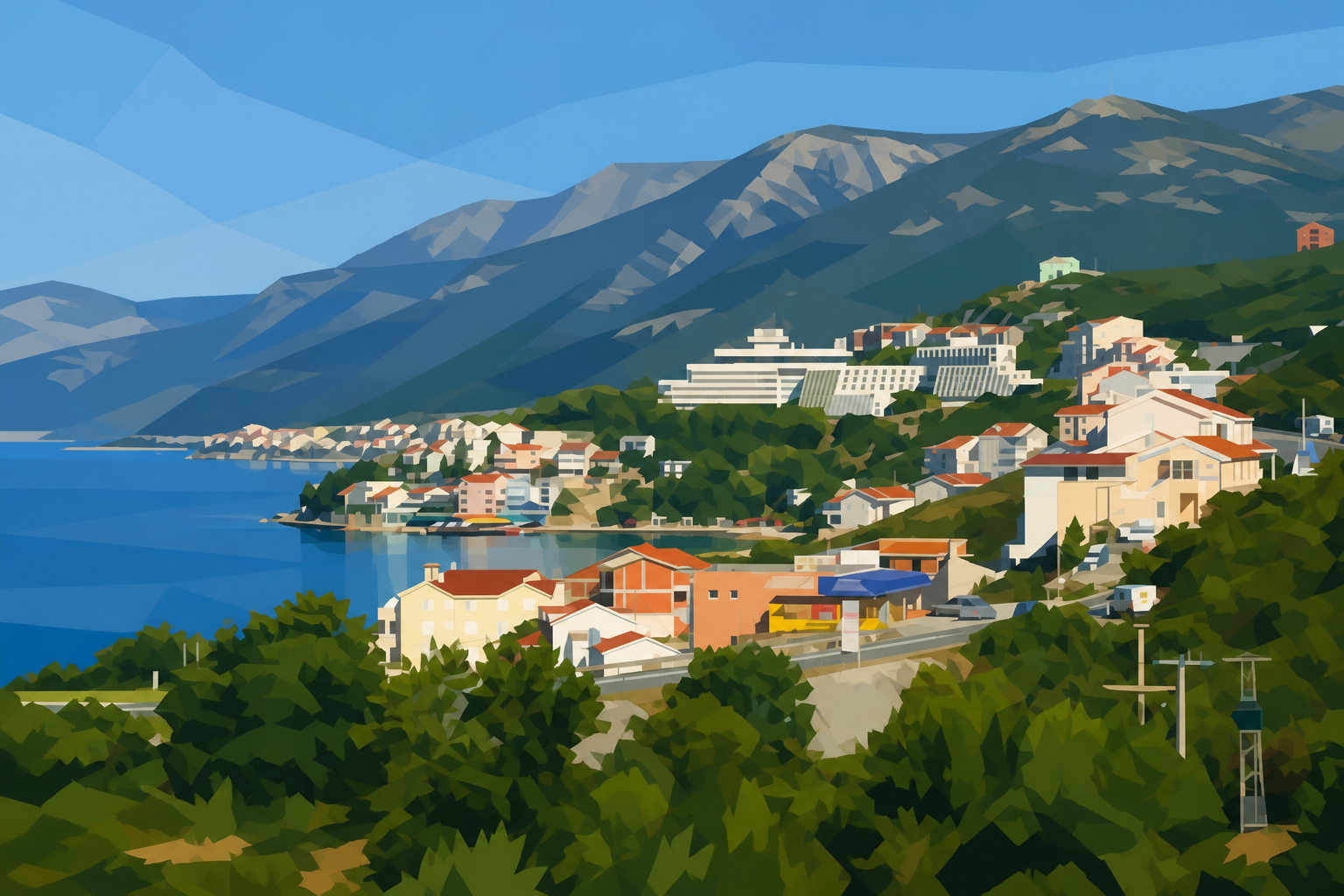
Ottoman Bosnia left sahat-kule (clock towers) in many towns rather than just Sarajevo. Emir’s photo today is Travnik. A stone sahat-kula under the cliffs of Mount Vlašić, once a seat of Ottoman viziers. Sarajevo’s tower by Gazi Husrev-beg’s mosque was famous for lunar prayer time. Travnik keeps a different skyline under the mountain. Day rhythm changes with place too. There is misty jutro on the Una near Bihać, bright inland popodne, and večer plans for Neum on Bosnia’s short Adriatic coast. Learning to ask Koliko je sati also means learning where in the country that hour belongs.
Lesson vocabulary
Tap a word to hear it. Use Loop and slower speed when you want to shadow.
Grammar
Koliko je sati?
Ask the time with Koliko je sati? Answer with a number from Lesson 3 plus sat or sati. Say Jedan je sat for one o’clock. For two through four you will often hear sati.
- Koliko je sati?: What time is it?
- Jedan je sat.: It is one o’clock.
- Osam je sati. / U osam sati.: It is eight. / At eight o’clock.
Danas and sutra
Danas means today. Sutra means tomorrow. Pair them with a weekday. Say Danas je petak. Say Sutra je subota. You can also place plans with Sutra u deset sati.
- Danas je petak.: Today is Friday.
- Sutra je subota.: Tomorrow is Saturday.
- Sutra u deset sati.: Tomorrow at ten o’clock.
Weekdays. Chant the week
Learn the seven days as a list. The words are ponedjeljak, utorak, srijeda, četvrtak, petak, subota, and nedjelja. Watch the special letters in srijeda and četvrtak.
- ponedjeljak, utorak, srijeda: Mon, Tue, Wed
- četvrtak, petak: Thu, Fri
- subota, nedjelja: Sat, Sun
Say again
Warm up with four lines you already know.
- Gdje je Mostar?: Where is Mostar?
- Ovdje smo.: We are here.
- Mostar je tamo.: Mostar is there.
- Kod Amire.: At Amira’s.
Lesson A. Ask the time
Drill Koliko je sati? Then answer with Lesson 3 numbers. Say Pet je sati. Say Osam je sati. Say Deset je sati. Say Jedan je sat. Add a place line such as U osam sati kod Amire and U dvanaest sati for podne. Emir flips a postcard of Travnik’s sahat-kula while Ana practices. The same question works in every Bosnian town. Ana still says Kasno je! When she is late for kahva.
- Ask with Koliko je sati?
- Reuse numbers one through twelve from Lesson 3.
Match the days
Match each Bosnian weekday to English.
Lesson B. Days and the week’s plan
Chant the weekdays twice. Then build real lines. Say Danas je petak. Say Sutra je subota. Mark the parts of day with jutro, podne, popodne, and večer. Emir sketches a wider week on a napkin and teases subota by the Una and nedjelja dreams of Neum. For now they stay in Sarajevo, but sutra always points somewhere on the map of Bosnia and Herzegovina. End with one plan. Say Sutra u deset sati, kod Amire!
- Pair danas or sutra with a weekday.
- Četvrtak and srijeda need careful letters.
Koliko je sati, Emire?
Outside Amira’s, late afternoon. Ana checks her phone. Emir shows a postcard of Travnik’s clock tower under Vlašić.
Play the full scene once. Then tap a line to hear it. On some lines you can record yourself for a short Speak Check.
Speak Check listens to your recording and sends back short tips.
Speak Check listens to your recording and sends back short tips.
Speak Check listens to your recording and sends back short tips.
Practice
Your keyboard may not have č ć š ž đ. Tap the accent buttons under each box to insert them.
Type the question. What time is it? (include ?)
Hint: Koliko je…?
Write ‘today’ in Bosnian.
Hint: da-…
Write ‘tomorrow’ in Bosnian.
Hint: su-…
Write Friday in Bosnian.
Hint: pe-…
Write Thursday in Bosnian (needs č).
Hint: include the special letter for č
Write Wednesday in Bosnian.
Hint: sri-…
Type. Today is Friday.
Hint: Danas je…
Write ‘evening’ in Bosnian (needs č).
Hint: ve-…
Fun facts
Travnik and Vlašić
Travnik has its own central-Bosnia weight on the map. It was a major Ottoman administrative centre under Mount Vlašić. Its sahat-kula still marks the town’s skyline. When you practice clock time, remember that Bosnian history is not only a Sarajevo footnote.
Many sahat-kule
Clock towers appear in towns across Bosnia and Herzegovina. Sarajevo and Travnik are only two of the places that kept a sahat-kula. Sarajevo’s tower is often remembered for once tracking lunar prayer time. That detail roots the question Koliko je sati in local history rather than only in a classroom drill.
Una mornings near Bihać
In the northwest, the Una River runs clear past Bihać. Locals talk about jutro on the river with real affection. The feeling matches the love Sarajevo keeps for a slow kahva. Different place, same habit of starting the day gently.
Neum touches the sea
Bosnia and Herzegovina has a short Adriatic coastline at Neum. A plan for sutra can mean salt air rather than only mountain towns. That matters when you practice danas and sutra as real calendar words. Time phrases feel more alive when they can point to an actual coast.
Čuj Bosnu. Sati in real teaching speech
Schedules need clock phrases. Hear sati i minuti explained in Bosnian lesson speech.
Speaker · Lingo Hero · Daily time / clocks · focus ~45–60 seconds
Watch & listen
Lingo Hero on YouTube (YouTube Terms of Service (embed))
Listen for sati or a number + time feel.
Press play on the video above. After you have listened, show the gist question.
Bosnia today
A country with almost no sea door of its own
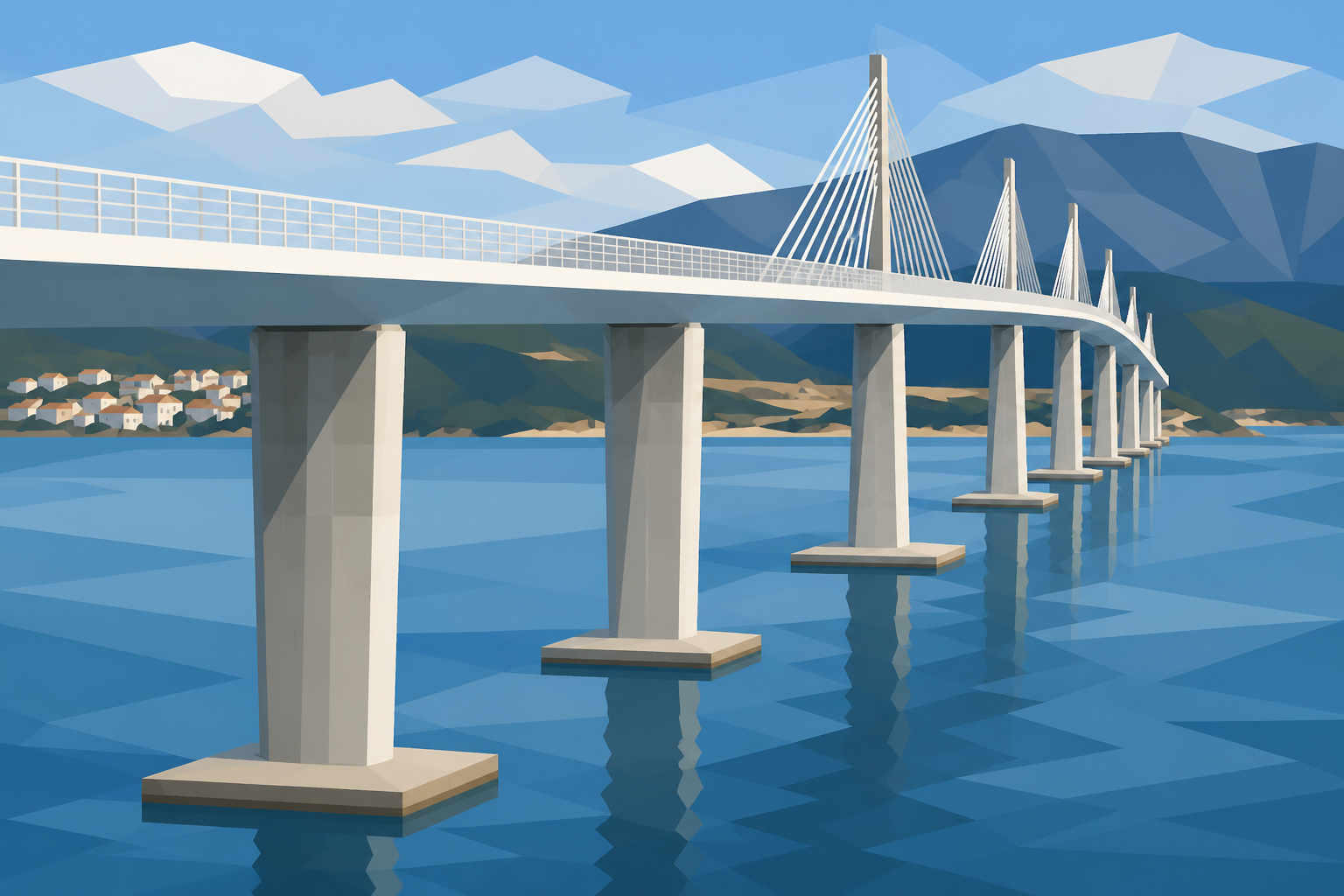
Bosnia and Herzegovina has almost no independent door to the sea. Its only coastline is the short stretch at Neum, and much Adriatic freight still depends on access through Croatia. Croatia’s Pelješac Bridge, opened in 2022, connects Croatian territory around Neum, while traders in Bosnia and Herzegovina still face foreign customs regimes rather than a full national deep-water port system. A weekend plan for the coast therefore sits inside a larger dependence on a neighbor for much of the country’s maritime trade access.
Practice game
Match time words
Match Bosnian to English.
Quick review
A few words from this lesson, plus ones you missed before. Flip the card, then mark how it went.
Card 1 / 5
More resources
- How to speak Bosnian (YouTube). Companion video for Lesson 6
- Next. Lesson 7. Ponavljanje. Review lesson with postcards from across Bosnia and Herzegovina
- Book 1 curriculum. See all lessons
Lesson quiz
Or open the full-page quiz: Lesson 6 quiz
Lesson 6 section quiz
1. ‘Koliko je sati?’ asks…
2. What does ‘danas’ mean?
3. ‘Sutra’ means…
4. Which day is ‘petak’?
5. ‘Jutro’ is…
6. Which word means Thursday?
7. ‘Kasno’ means…
8. Travnik’s sahat-kula sits under which mountain?
9. ‘Danas je petak’ means…
