
Pisma iz BiH
Lesson goals
Vocabulary
- Use pismo, razglednica, and pošta for mail chunks.
- Link ideas with i, ali, and zato in short present lines.
- Describe Sarajevo sights Ana shares with family abroad.
Grammar
- Build postcard lines with i for addition.
- Contrast with ali in one calm present sentence.
- Explain a reason with zato in the present.
Culture
- Picture diaspora mail and postcards from Sarajevo.
- Mention a memorial visit lightly without owning civic denial content.
- Treat letter writing as slow present-tense practice.
Watch the companion video
Watch when you can, then come back for words, dialogue, and practice on this page.
Learn Bosnian greetings (YouTube). Opening lines help postcard greetings.
Postcards and diaspora mail from Sarajevo
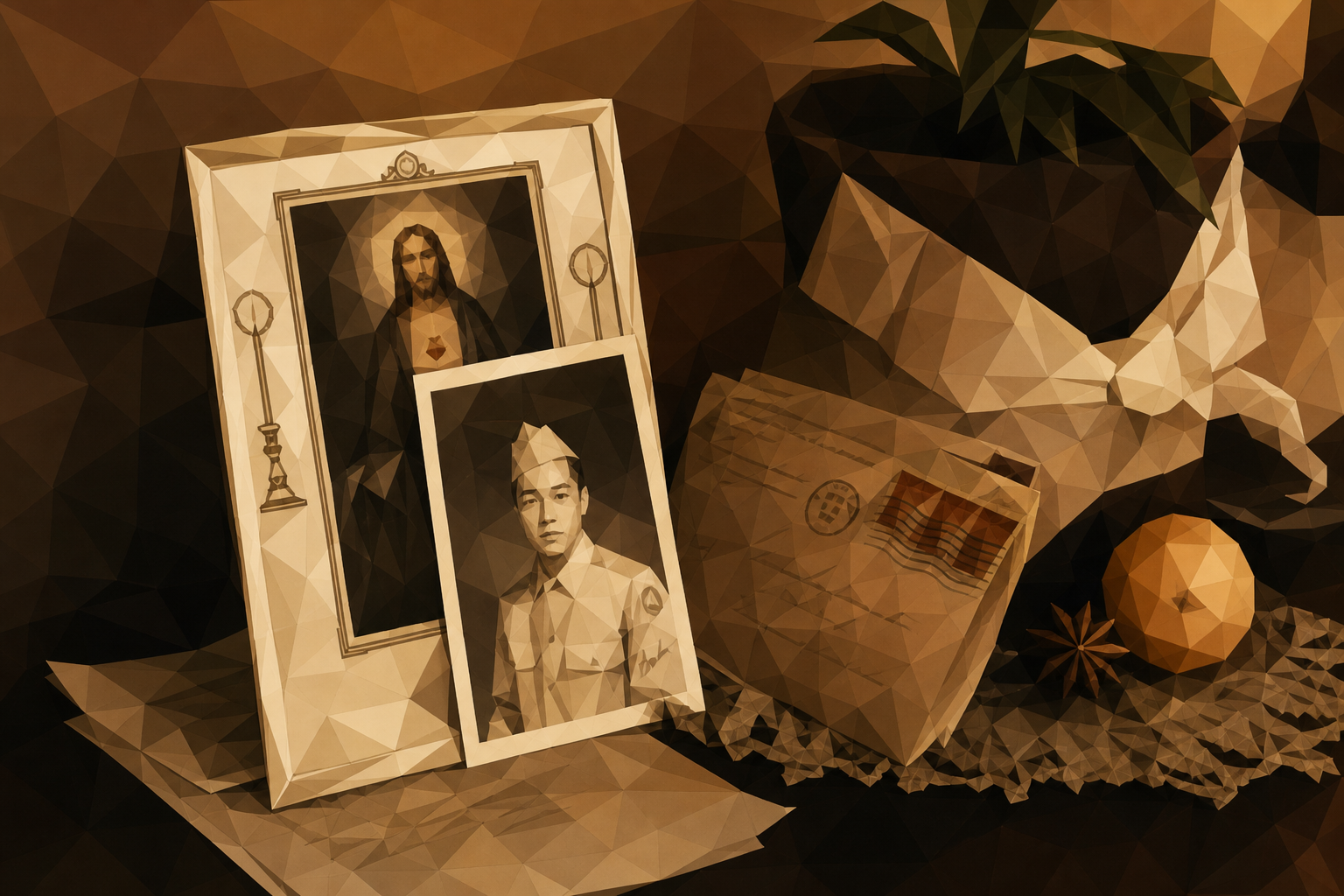
Families abroad still light up when a razglednica arrives from Sarajevo with a familiar skyline and cramped handwriting. Ana writes at a small desk near Ferhadija while the tram bell drifts through the window. She mentions coffee, stone streets, and a quiet memorial memory she carries today rather than a history lecture. Diaspora relatives read slowly and answer with their own short lines. Mail is slower than a chat app yet carries tone in every i and ali. A few present tense sentences are enough to keep Ana connected today, long before she can write anything close to a novel in Bosnian.
Lesson vocabulary
Tap a word to hear it. Use Loop and slower speed when you want to shadow.

Grammar
I linking lines
Use i to add one more fact in the same present mood. Keep both sides short so a postcard stays readable on a small card.
- Volim kafu i burek.: I like coffee and burek.
- Pišem pismo i šaljem razglednicu.: I write a letter and send a postcard.
- Sarajevo je velik i lijep.: Sarajevo is big and beautiful.
Ali contrast chunk
Ali introduces a contrast without a new tense. Place it between two present facts. The second half often carries the surprise.
- Vrijeme je hladno, ali idem u grad.: The weather is cold, but I go to the city.
- Želim skočiti, ali neću.: I want to jump, but I do not want to.
- Grad je bučan, ali siguran.: The city is loud, but safe.
Zato reason line
Zato gives a simple reason in the present. Use it after a fact your family should understand. One reason per sentence keeps the postcard honest.
- Volim Bosnu i Hercegovinu. Zato pišem.: I love Bosnia and Herzegovina. That is why I write.
- Sjećanje je jako. Zato šaljem poruku.: The memory is strong. That is why I send a message.
- Učim bosanski. Zato ostajem.: I study Bosnian. That is why I stay.
Say again
Warm up with four lines you already know.
- Pišem pismo.: I write a letter.
- Hvala, molim.: Thank you, please.
- Volim ovu kafu.: I love this coffee.
- Sarajevo je lijep.: Sarajevo is beautiful.
Lesson A. Postcard nouns and verbs
Start with pismo, razglednica, and pošta so the desk has real mail nouns before you write. Practice Pišem pismo and Šaljem razglednicu as steady present lines at Ana's small table. Add marka and koverat when you walk to the post office window on Ferhadija. Ana copies adresa carefully for family abroad and checks the zip line twice. Name poruka when the card space runs out and you need a shorter thought. Keep pišem and šaljem as spoken verbs rather than a full conjugation grid at the counter. Say each mail line twice, then add molim when you buy a marka from the seller.
- Spell adresa slowly at the post office.
- Pair razglednica with šaljem in one breath.
- Reuse molim when you buy a marka.
Match mail words
Match each Bosnian mail word with its English meaning.
Lesson B. I, ali, and zato on the card
Move from nouns to linked ideas on the postcard back in cramped handwriting. Write Sarajevo je hladno, ali lijep with ali between two present facts your parents understand. Add Volim grad i učim bosanski with i for a gentle list of good news. Close with Zato pišem pismo when you explain why the card exists in the mailbox today. Ana mentions porodica daleko and one calm sjećanje from a memorial she respects. Amira suggests a shorter poruka for the small space above the skyline photo. Try writing and saying a three-line postcard out loud. A greeting, one linked fact, and a zato closing, then hvala at the post office door.
- Keep ali contrasts short on a small card.
- Use zato once so the ending feels clear.
- Stay in the present even when memory is heavy.
Razglednica za porodicu
Ana writes a postcard in Sarajevo while Emir and Amira buy stamps from a seller at the post office.
Play the full scene once. Then tap a line to hear it. On some lines you can record yourself for a short Speak Check.
Speak Check listens to your recording and sends back short tips.
Speak Check listens to your recording and sends back short tips.
Practice
Your keyboard may not have č ć š ž đ. Tap the accent buttons under each box to insert them.
Write the Bosnian for I write a letter.
Hint: Use Pišem pismo.
Write the Bosnian for I send a postcard.
Hint: Use Šaljem razglednicu.
Write the Bosnian for The weather is cold, but beautiful.
Hint: Use ali.
Write the Bosnian for I love the city and I study Bosnian.
Hint: Use i twice.
Write the Bosnian for That is why I write.
Hint: Begin with Zato.
Write the Bosnian word for stamp.
Hint: It begins with mar.
Write the Bosnian for I need a stamp.
Hint: Use Treba mi marka.
Write the Bosnian for The message is short.
Hint: Use poruka and kratka.
Fun facts
Ferhadija still frames mail walks
Ana writes near Ferhadija where tram bells and shop fronts mix on one street. A postcard from that desk carries city rhythm in a few lines.
Razglednica beats a long email for tone
A handwritten razglednica shows effort diaspora families notice. Short Bosnian lines with i and ali feel personal on a small card.
Zato closes a thought cleanly
One zato sentence explains why Ana writes without a grammar lecture. Present reasons keep the postcard readable.
Memorial visits can stay quiet
Ana mentions a memorial memory lightly, without turning the postcard into a history lecture. Letter tone stays respectful and brief, the way real families write home.
Čuj Bosnu with greeting lines for postcards
A short greeting lesson gives opening lines you can place on a postcard.
Speaker · Learn Bosnian with Elma · Greeting phrases · focus ~45-90 seconds
Watch & listen
Learn Bosnian with Elma on YouTube (YouTube Terms of Service (embed))
Listen for a greeting you could write at the top of a card.
Press play on the video above. After you have listened, show the gist question.
Bosnia today
Genocide denial and war-criminal glorification remain elite politics
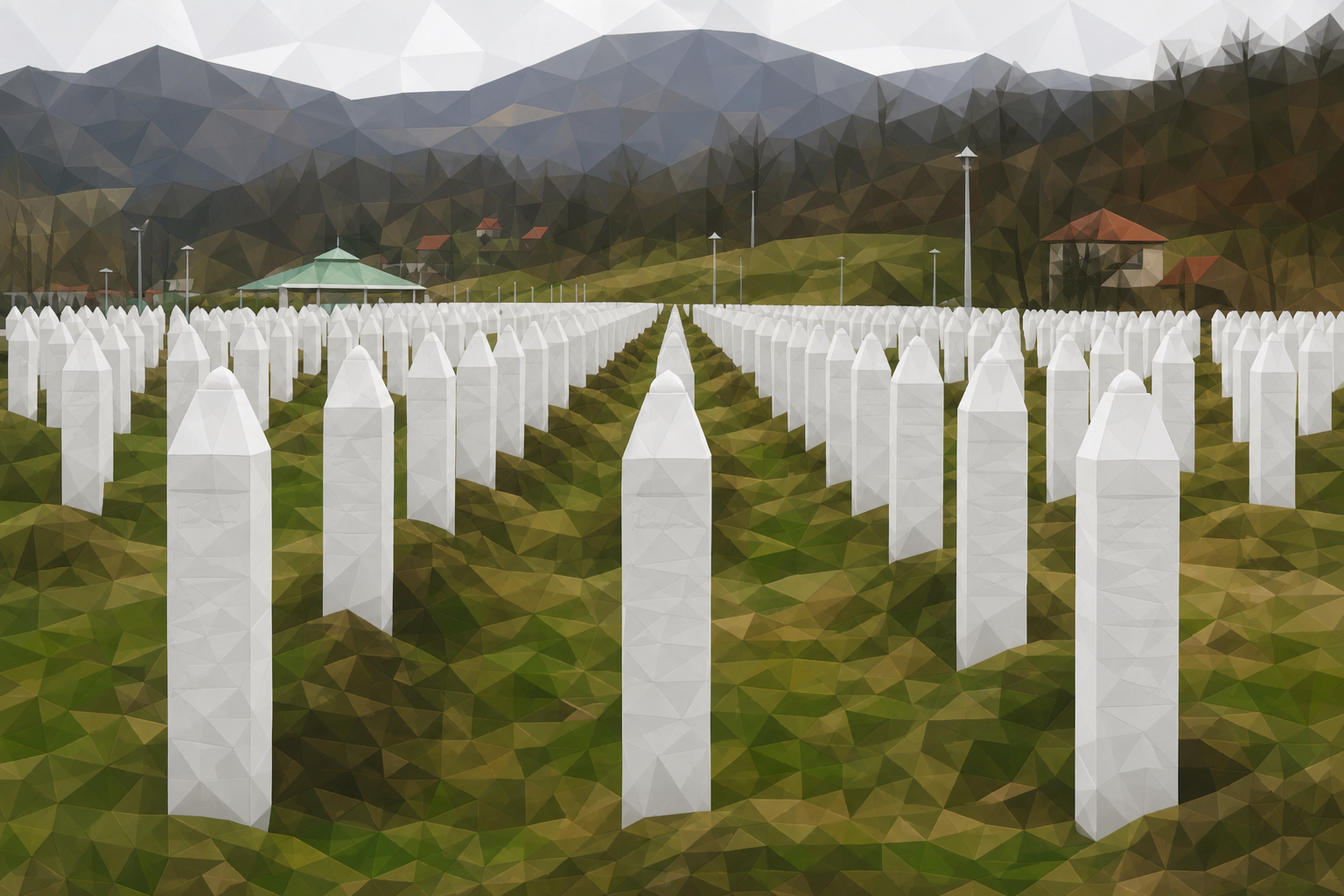
Denial of the Srebrenica genocide remains common among nationalist political elites in Bosnia and Herzegovina. Convicted war criminals are still praised in murals, rallies, and campaign messaging. Tribunal rulings and memorial records sit alongside public rhetoric that minimizes or rejects the genocide finding. Memory of the worst crime of the war stays a live political argument here, not settled history.
Wikipedia article on Bosnian genocide denial
Practice game
True or false on linking words
Decide whether each sentence matches the lesson.
Ali introduces a contrast.
Zato gives a simple reason.
Pišem means I send.
I means and.
Quick review
A few words from this lesson, plus ones you missed before. Flip the card, then mark how it went.
Card 1 / 5
More resources
- Learn Bosnian greetings (YouTube). Opening lines help postcard greetings.
- Next lesson. Lesson 30 is the Book 1 graduation party.
- How to speak Bosnian channel. Browse more speaker models after you finish the lesson.
Lesson quiz
Or open the full-page quiz: Lesson 29 quiz
Lesson 29 section quiz
1. What does razglednica mean?
2. Which conjunction means but?
3. What does zato pišem mean?
4. Where does Ana write?
5. What does šaljem mean?
6. What civic pressure does this lesson highlight?
7. Which line uses i correctly?
8. What does marka mean at the post office?
9. Why does Amira warn Ana?
10. Who sells the stamp in the dialogue?
