Ponavljanje
Lesson goals
Vocabulary
- Recycle idemo, karta, hoću, telefon, vikend, and plan for weekend talk.
- Reuse često, autobus, račun, and još jednom in café and travel frames.
Grammar
- Practice Treba mi and Hoću for naming what you need and want.
- Switch among Koliko košta?, Gdje je?, and Kakvo je vrijeme?
Culture
- Plan a solo weekend with postcards from Una, Bihać, or Jajce.
- Treat this review as practice, not a new grammar system.
Watch the companion video
Watch when you can, then come back for words, dialogue, and practice on this page.
Learn Bosnian: Telling Time. Clock phrases help you read weekend departure boards.
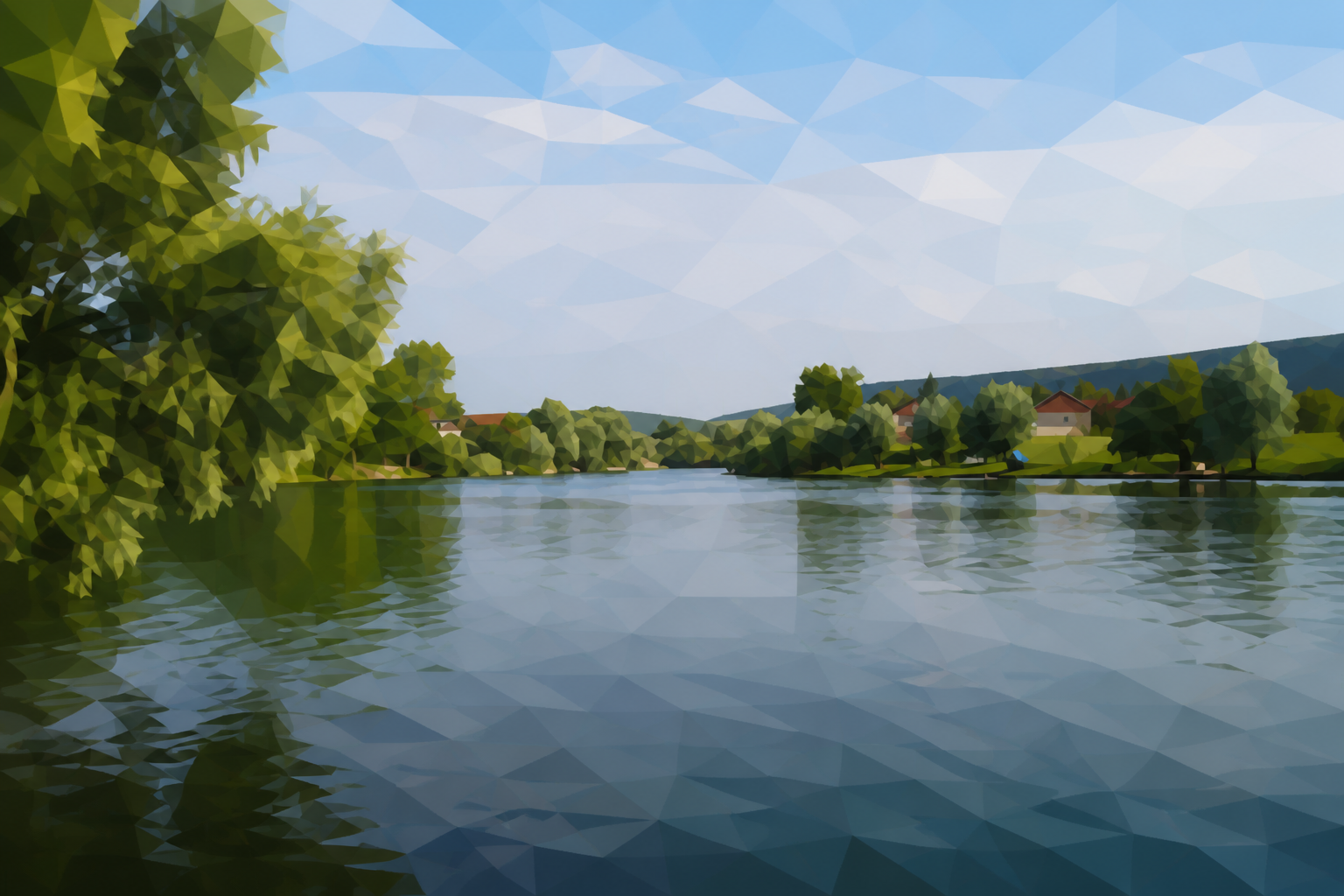
Weekend planning with northwest postcards
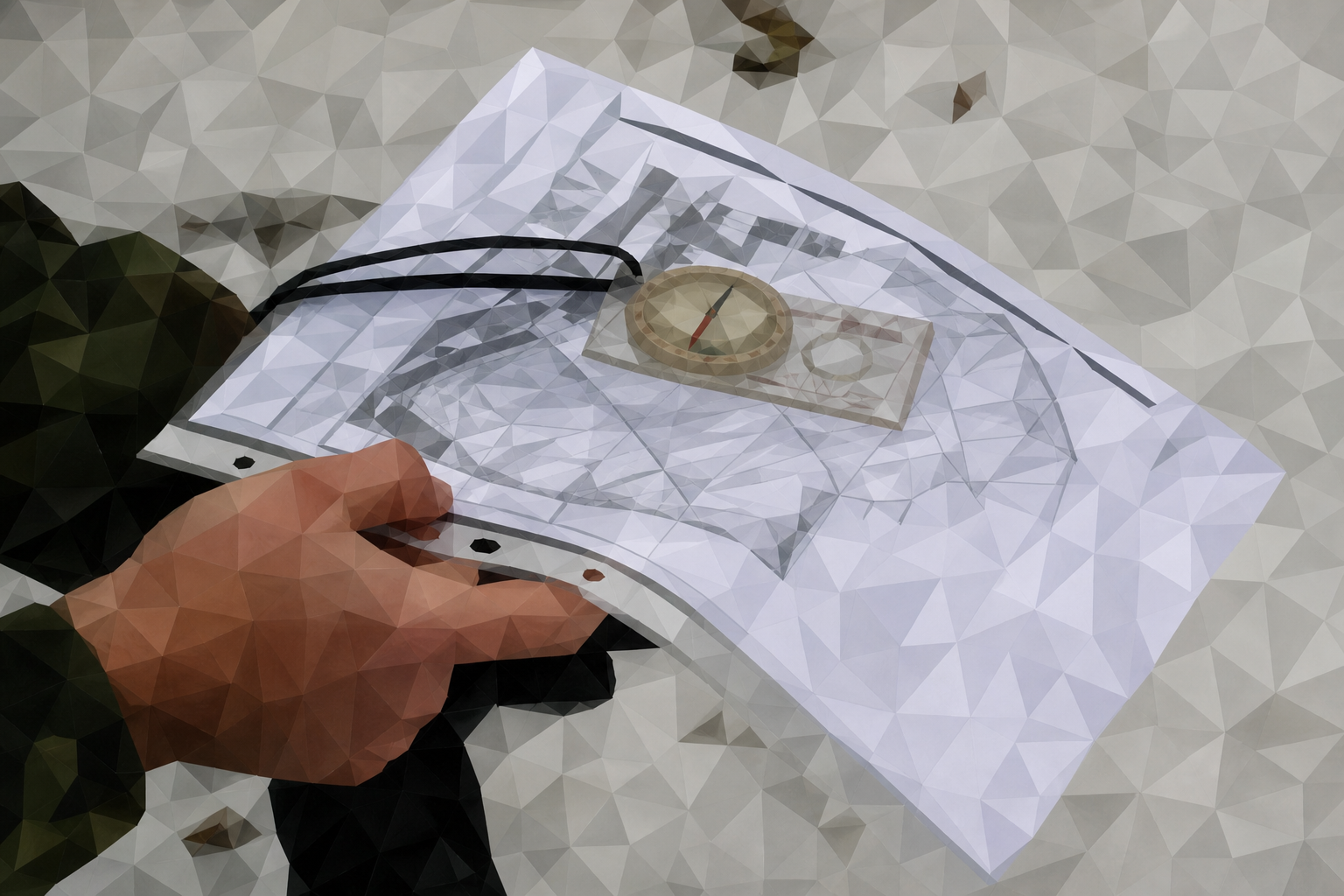
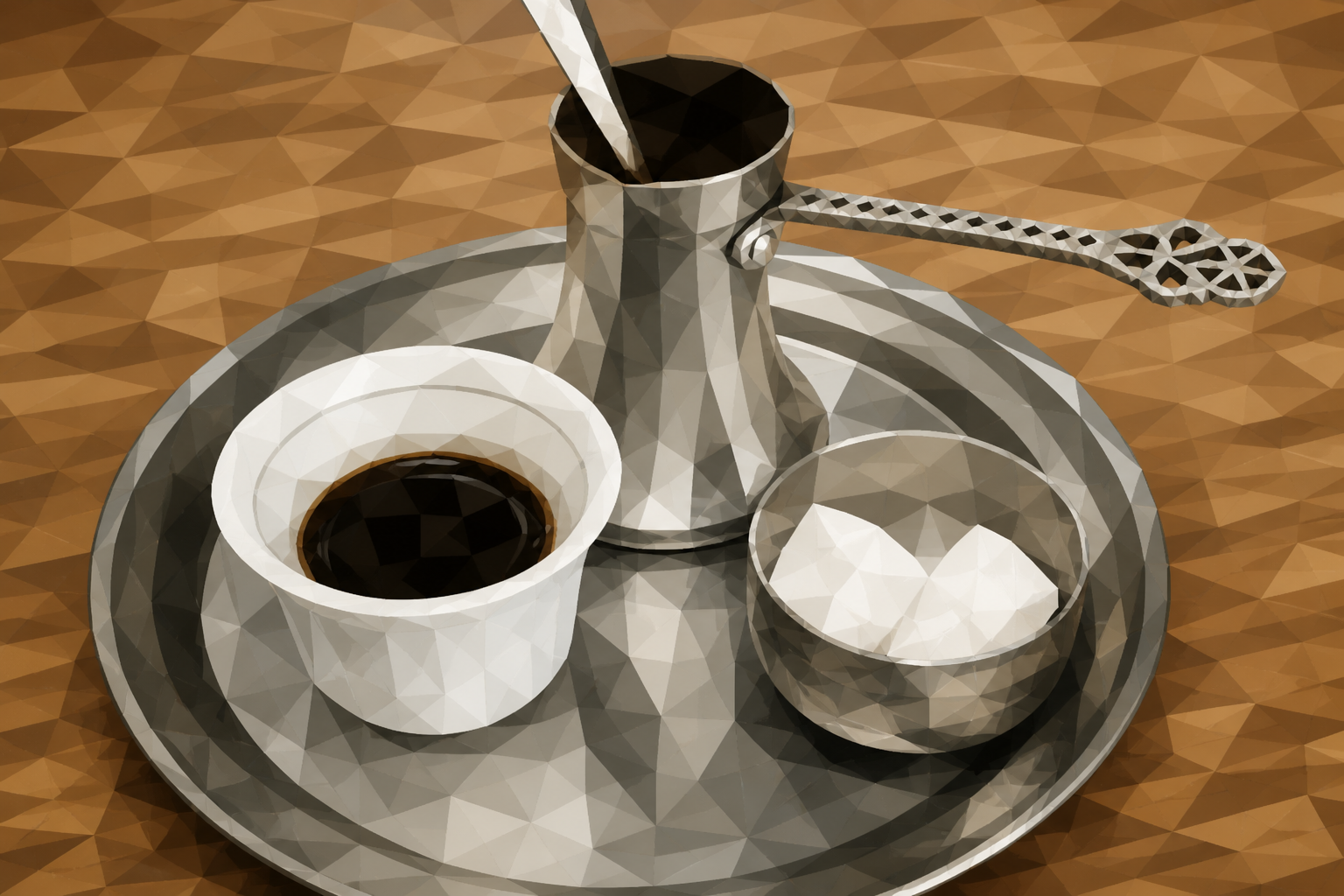
Ana spreads a weekend map beside her coffee and a postcard from Una or Bihać. The river towns of northwest Bosnia and Herzegovina offer waterfalls, old bridges, and quiet walks that suit a solo traveler well. Jajce appears on another card, with its fortress above the Pliva waterfall. Ana checks the weather, counts her budget, and writes a short plan on a napkin. Even a weekend alone still needs polite questions at a café and a ticket counter. These postcard places turn review lines into a real trip idea beyond Sarajevo.
Lesson vocabulary
Tap a word to hear it. Use Loop and slower speed when you want to shadow.
Grammar
Remember Treba mi and Hoću
Treba mi names a need right now. Hoću names a wish. Keep both in the present tense, and add one familiar object after each verb.
- Treba mi karta.: I need a ticket.
- Hoću vikend samo.: I want a weekend alone.
- Treba mi telefon.: I need a phone.
Remember price, place, and weather questions
Koliko košta? Asks about price. Gdje je? Asks about place. Kakvo je vrijeme? Asks about weather. Choose the question that matches your weekend plan.
- Koliko košta karta?: How much does the ticket cost?
- Gdje je autobus?: Where is the bus?
- Kakvo je vrijeme?: How is the weather?
Say again
Warm up with four lines you already know.
- Treba mi karta.: I need a ticket.
- Koliko košta karta?: How much does the ticket cost?
- Kakvo je vrijeme?: How is the weather?
- Račun, molim.: The bill, please.
Lesson A. Practice need and wish frames
This review revisits frames from Lessons 15 through 20. Start with Treba mi and Hoću. Say Treba mi karta and Hoću vikend samo as full lines. Add telefon, plan, and vikend to your weekend story. Practice Koliko košta? Before you buy a bus ticket. Ana sits at Amira's café with a map and a Una postcard, naming what she needs and what she wants without any new grammar to learn. Repeat each frame još jednom until the need and the wish sound automatic.
- Keep Treba mi and Hoću with the object in one breath.
- Say each frame još jednom before you switch to a question.
- Stay in present tense for every weekend line.
Match the review frames
Match each Bosnian phrase with its English meaning.
Lesson B. Switch travel questions at the café
Now switch among three question frames. Ask Gdje je autobus? At the station. Ask Kakvo je vrijeme? Before a mountain walk. Finish café talk with Račun, molim when you pay. Emir and Amira help Ana test her solo plan while Mrvica watches the sugar bowl. Mix idemo with a place name and često with a habit from earlier lessons. You'll know the review is working when you can switch frames without translating in your head first. Stay in the present tense for every answer.
- Hear the question word before you choose your answer.
- Add molim or hvala in every shop and café exchange.
- Mix two old topics when one frame feels too easy.
Plan za vikend
Ana, Emir, and Amira sit at a café table with a map, postcards, and one curious cat.
Play the full scene once. Then tap a line to hear it. On some lines you can record yourself for a short Speak Check.
Speak Check listens to your recording and sends back short tips.
Speak Check listens to your recording and sends back short tips.
Speak Check listens to your recording and sends back short tips.
Practice
Your keyboard may not have č ć š ž đ. Tap the accent buttons under each box to insert them.
Write the Bosnian phrase for I need a ticket.
Hint: Begin with Treba mi.
Write the Bosnian for I want a weekend alone.
Hint: Use Hoću and vikend.
Write the polite price question for a ticket.
Hint: Begin with Koliko.
Write the Bosnian question that asks how the weather is.
Hint: Begin with Kakvo.
Write the Bosnian for Where is the bus?
Hint: Begin with Gdje je.
Write the Bosnian invitation Let us go.
Hint: Begin with Hajde da.
Write the Bosnian for The bill, please.
Hint: Use Račun and molim.
Fun facts
Una and Bihać suit a quiet weekend
The Una River region in northwest Bosnia and Herzegovina offers green water and old towns like Bihać. A solo traveler can plan walks and river views without a big city crowd. Ana's postcard keeps the place in view while she reviews her travel lines.
Jajce adds a waterfall stop
Jajce sits above the Pliva waterfall and often shows up on traveler postcards. The fortress and old town give Ana a second weekend option beyond the Una valley. Real place names turn review vocabulary into real destinations.
Treba mi stays a survival phrase
Treba mi plus a noun is one of the fastest ways to name a need at a counter. You don't need a full conjugation table to buy a bus ticket. Pair it with molim and you'll sound ready for travel talk.
Solo weekends still need polite lines
Traveling alone doesn't mean traveling without manners. Račun, molim and hvala keep café and ticket talk friendly. Book 1 stays practical by mixing need, wish, and polite questions into one review session.
Čuj Bosnu with clock phrases for weekend departures
A teacher models time phrases you can reuse when you plan a bus trip.
Speaker · Lingo Hero · Clock and schedule language · focus ~45-90 seconds
Watch & listen
Lingo Hero on YouTube (YouTube Terms of Service (embed))
Listen for a time phrase you could place beside a weekend departure.
Press play on the video above. After you have listened, show the gist question.
Bosnia today
Private rural bus lines collapse when routes stop paying
Rural public transport in Bosnia and Herzegovina still depends heavily on private operators rather than a stable statewide network. When a mountain or village route stops turning a profit, companies cancel the line instead of absorbing the loss. Smaller places often lose daily service with no public replacement on the same timetable. The result is a patchwork map where a company's bottom line decides who can still reach work, school, or a clinic by bus.
Wikipedia article about transport in Bosnia and Herzegovina
Practice game
True or false on the weekend review
Decide whether each sentence correctly reviews Lessons 15 through 20.
Treba mi karta means I need a ticket.
Kakvo je vrijeme? Asks about price.
Gdje je autobus? Asks about place.
Račun, molim asks for the bill.
Quick review
A few words from this lesson, plus ones you missed before. Flip the card, then mark how it went.
Card 1 / 5
Can-do check
Honest self-check. Mark each when you can do it without peeking.
More resources
- Learn Bosnian: Telling Time. Clock phrases help you read weekend departure boards.
- Next lesson. Lesson 22 walks Travnik with sightseeing phrases.
- How to speak Bosnian channel. Browse more real speaker clips after you finish the review.
Lesson quiz
Or open the full-page quiz: Lesson 21 quiz
Lesson 21 section quiz
1. What does hoću express in weekend planning?
2. Which phrase means I need a ticket?
3. Which question asks about price?
4. Which question asks about weather?
5. What does vikend mean?
6. What happens when private rural bus lines stop paying?
7. What happens when private rural bus lines shut down?
8. Which line asks for the bill?
9. What does još jednom mean?
10. Who stays at the café while Ana plans to travel?
Section test
After this review, take the Section 3 test covering the lessons in this section.
