Dobar tek!
Lesson goals
Vocabulary
- Order klepe or japrak from a restaurant menu.
- Use waiter, bill, and meal-wish words at the table.
- Describe food as ukusan or ukusna.
Grammar
- Use hoću, hoćeš, and hoćemo to say what you want.
- Order with molim and ask for račun politely.
- Say Dobar tek when the food arrives.
Culture
- Compare klepe and japrak as beloved Bosnian dishes.
- Keep Visoko on the wider food map with a postcard.
- Notice hospitality as part of everyday recovery.
Watch the companion video
Watch when you can, then come back for words, dialogue, and practice on this page.
Bosnian Coffee with local guides. Café hospitality speech supports restaurant listening.
Klepe, japrak, and a full table
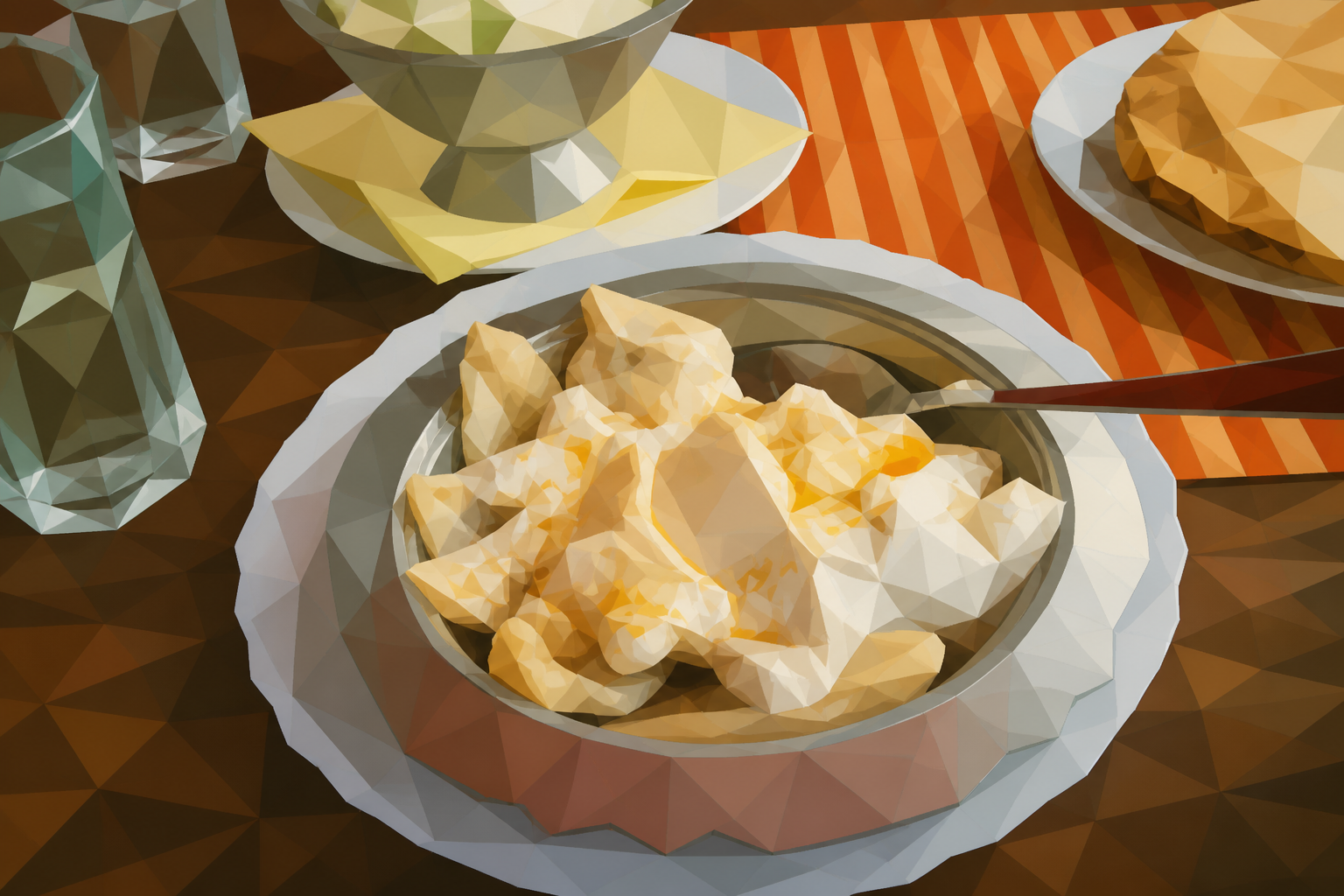
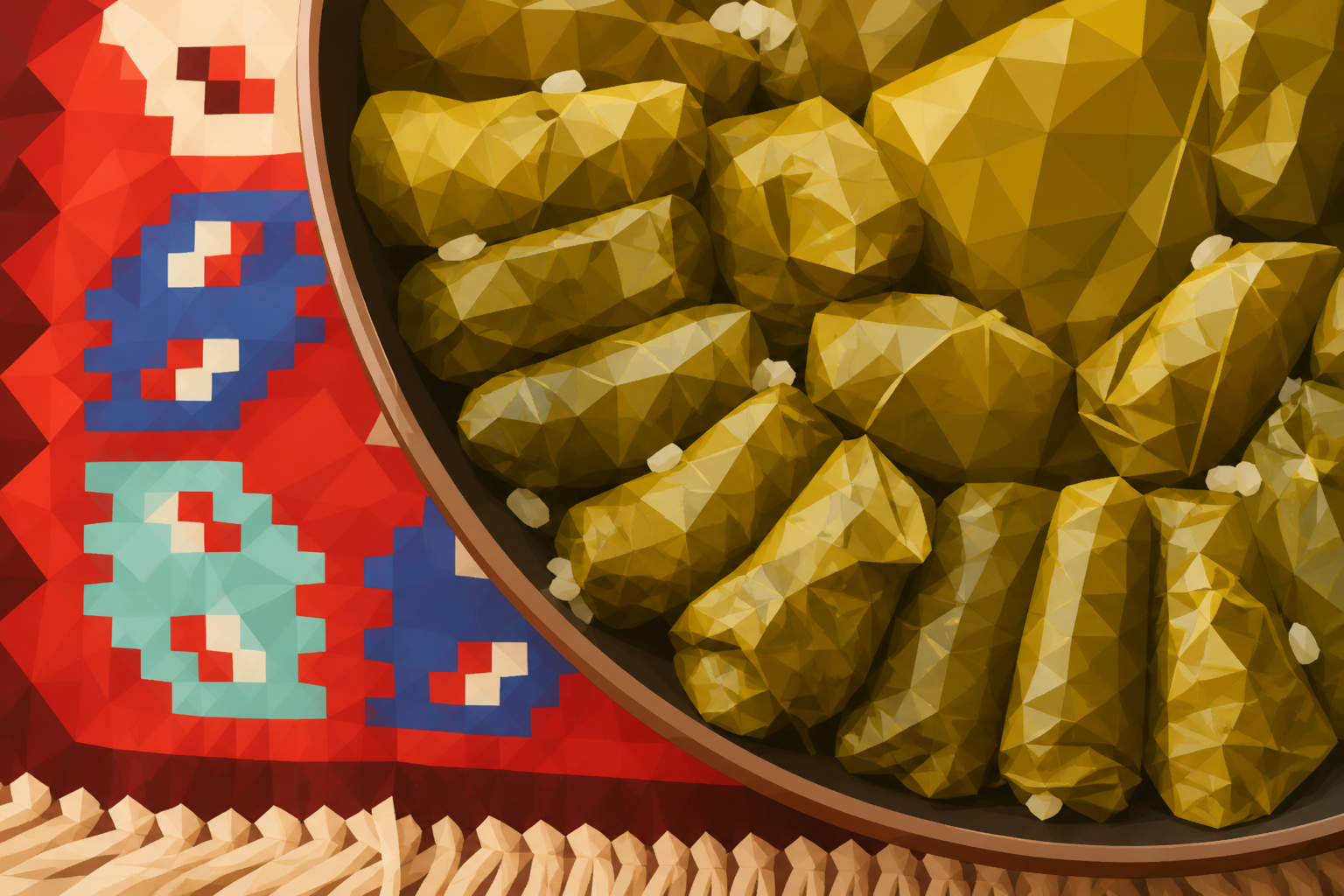
Sarajevo restaurants still see friendly arguments over favorite dishes when friends share a table. Klepe are soft dumplings often served with sauce and a garlic yogurt topping. Japrak wraps rice and meat in vine leaves and arrives as neat rolls that invite a slow bite. Ana and Emir open a jelovnik and turn their debate into practice with hoću and hoćeš. A Visoko postcard on the table reminds them that Bosnian food stories reach well beyond one city street. Saying Dobar tek marks the meal as a shared moment before anyone reaches for the bill.
Lesson vocabulary
Tap a word to hear it. Use Loop and slower speed when you want to shadow.
Grammar
Hoću, hoćeš, hoćemo
Hoću means I want, hoćeš asks or states what you want, and hoćemo covers we want. Keep all three in the present for now. You can learn past and future forms later.
- Hoću klepe.: I want klepe.
- Hoćeš li japrak?: Do you want japrak?
- Hoćemo jesti.: We want to eat.
Ordering with molim and račun
Place the food word first, then molim. When you finish, say Račun, molim for the bill. A little politeness keeps any restaurant scene smooth.
- Klepe, molim.: Klepe, please.
- Japrak, molim.: Japrak, please.
- Račun, molim.: The bill, please.
Dobar tek at the table
Dobar tek wishes someone an enjoyable meal. Say it when the food arrives, then answer with Hvala. The phrase works among friends and with restaurant staff alike.
- Dobar tek!: Enjoy your meal!
- Dobar tek, Ana!: Enjoy your meal, Ana!
- Hvala, dobar tek!: Thanks, enjoy your meal!
Say again
Warm up with four lines you already know.
- Treba mi karta.: I need a ticket.
- Koliko košta karta?: How much does the ticket cost?
- Volim burek.: I love burek.
- Molim.: Please.
Lesson A. Wanting food with htjeti
Learn restoran, jelovnik, konobar, klepe, and japrak first so the room has clear names. Then practice Hoću, Hoćeš li, and Hoćemo as ready lines for saying what you want. Ana wants klepe, Emir wants japrak, and their friendly disagreement carries the lesson. Point at the menu and say the food word with molim instead of building a long sentence. Stay in the present, and your order is ready for a real waiter tonight. Practice each dish name a couple of times, then switch roles so both of you can ask and answer with hoćeš. Keep these lines short and ready to reuse at any table.
- Say Hoću plus the dish as one ready line.
- Use Hoćeš li for a friendly question.
- Keep htjeti in the present only.
Match restaurant words
Match each Bosnian restaurant word with its English meaning.
Lesson B. From order to račun
Build the full table flow from greeting to goodbye, all in short present-tense lines. Greet, order with hoću, wish Dobar tek, ask for još if you need more bread, then call for račun. Say Hvala after every helpful move from the konobar so your politeness stays audible. Amira may show up with an opinion, and Mrvica watches for crumbs under the table as always. The Visoko postcard keeps the meal tied to a wider map of Bosnian kitchens beyond Sarajevo. Practice the debate until both dishes feel easy to say and easy to defend with a smile. Finish by asking for the bill in a calm, polite voice.
- Add molim to every order and to Račun, molim.
- Answer Dobar tek with Hvala.
- Name both dishes so the debate stays balanced.
Klepe ili japrak?
Ana, Emir, and Amira order at a Sarajevo restaurant while a waiter takes the table.
Play the full scene once. Then tap a line to hear it. On some lines you can record yourself for a short Speak Check.
Speak Check listens to your recording and sends back short tips.
Speak Check listens to your recording and sends back short tips.
Practice
Your keyboard may not have č ć š ž đ. Tap the accent buttons under each box to insert them.
Write I want klepe, please. In Bosnian.
Hint: Begin with Hoću.
Write Do you want japrak? In Bosnian.
Hint: Begin with Hoćeš li.
Write The bill, please. In Bosnian.
Hint: Use račun.
Write Enjoy your meal! In Bosnian.
Hint: Two words.
Write We want to eat. In Bosnian.
Hint: Use hoćemo.
Write the Bosnian word for menu.
Hint: It begins with jel.
Write the Bosnian word for waiter.
Hint: It begins with kon.
Write Japrak is tasty. In Bosnian (masculine form).
Hint: Use ukusan.
Fun facts
Klepe come with sauce and garlic
Klepe are boiled dumplings that often arrive with a savory sauce. Many diners add a garlic yogurt topping at the table. The dish feels homey even in a busy restaurant. Ana's order makes this soft dumpling worth learning by heart.
Japrak wraps the vine leaf
Japrak uses vine leaves wrapped around a rice and meat filling. The rolls cook slowly and taste bright with lemon or sauce. Emir defends japrak as the better choice. The debate keeps both food names in active use.
Visoko sits on the food map
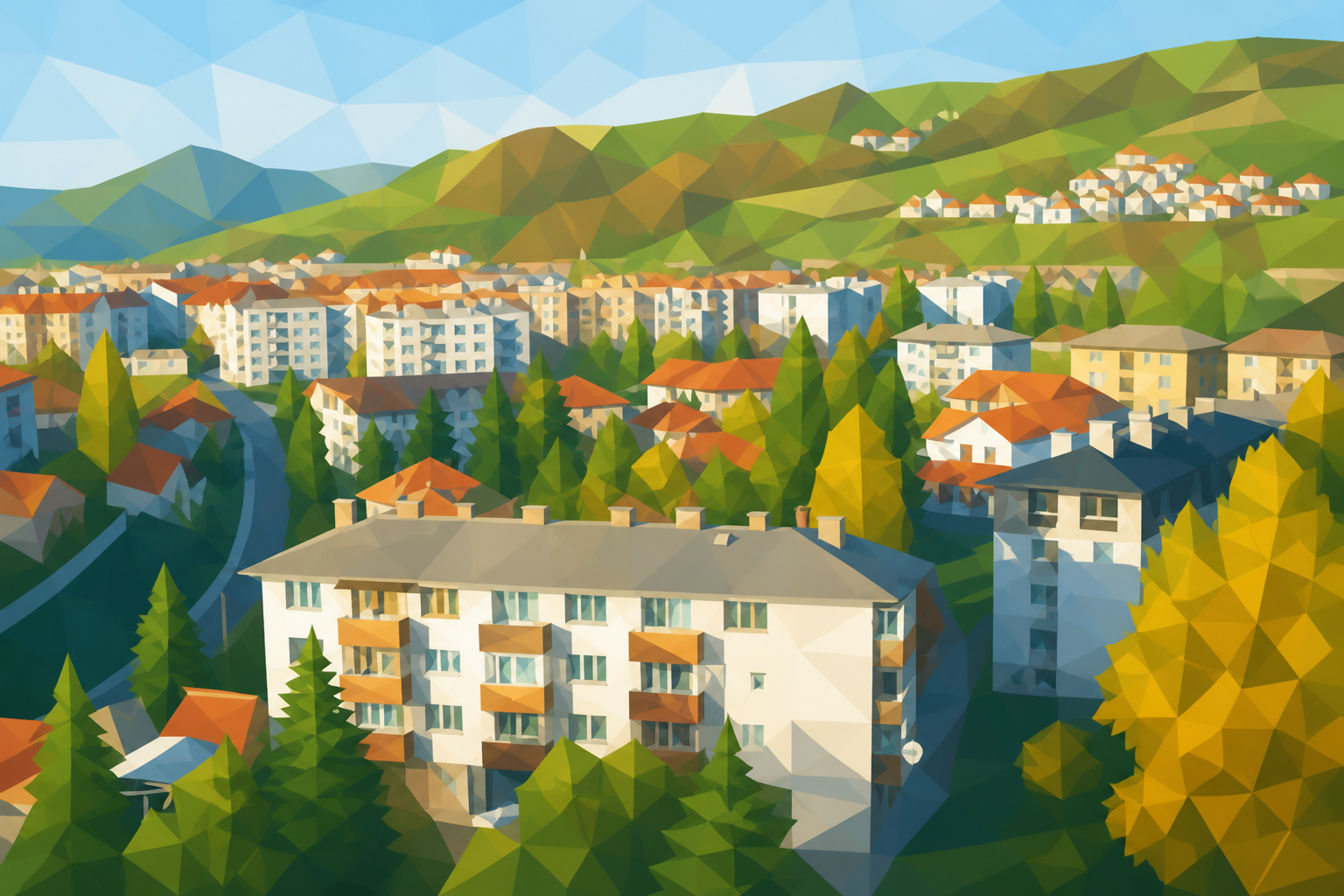
A postcard from Visoko reminds diners that Bosnian kitchens are not only a Sarajevo story. Towns across the country share related stuffed and dough dishes, each with its own local twist. The card widens the meal without leaving the table, and geography becomes part of the restaurant chat.
Čuj Bosnu in café hospitality speech
A Sarajevo guide talks through coffee hospitality, a close cousin of restaurant manners.
Speaker · Meet Bosnia Tours (Edin) · Café and hospitality talk · focus ~45-90 seconds
Watch & listen
Meet Bosnia Tours on YouTube (YouTube Terms of Service (embed))
Listen for warm hosting language and any food or coffee ritual cues.
Press play on the video above. After you have listened, show the gist question.
Bosnia today
Neighbor passports split mobility at the same table
Shared food does not mean equal travel papers. Many Bosnian Croats and Bosnian Serbs can hold Croatian or Serbian citizenship while still living in Bosnia and Herzegovina. Those neighbor-state passports can open European Union travel and paperwork routes that many Bosniak neighbors cannot match through residence alone. A restaurant debate over klepe and japrak happens in a country where the document in your pocket can depend on ethnic background as much as the street where you sleep.
Wikipedia article on Bosnia and Herzegovina and Croatia relations

Practice game
Unscramble the order
Unscramble to make today's polite restaurant phrases.
Need č ć š ž đ? Use the accent buttons under each box.
klepe Hoću molimmolim Računtek DobarQuick review
A few words from this lesson, plus ones you missed before. Flip the card, then mark how it went.
Card 1 / 5
More resources
- Bosnian Coffee with local guides. Café hospitality speech supports restaurant listening.
- Next lesson. Lesson 18 moves into sports and hobbies.
- How to speak Bosnian channel. Find more everyday speaker clips on the channel.
Lesson quiz
Or open the full-page quiz: Lesson 17 quiz
Lesson 17 section quiz
1. What does jelovnik mean?
2. Which form means I want?
3. Which dish uses vine leaves?
4. How do you ask for the bill?
5. What do Ana and Emir debate?
6. What does Dobar tek mean?
7. Which town appears on the postcard?
8. What unequal document reality does the civic panel describe?
9. Which sentence orders klepe politely?
