Kakvo je vrijeme?
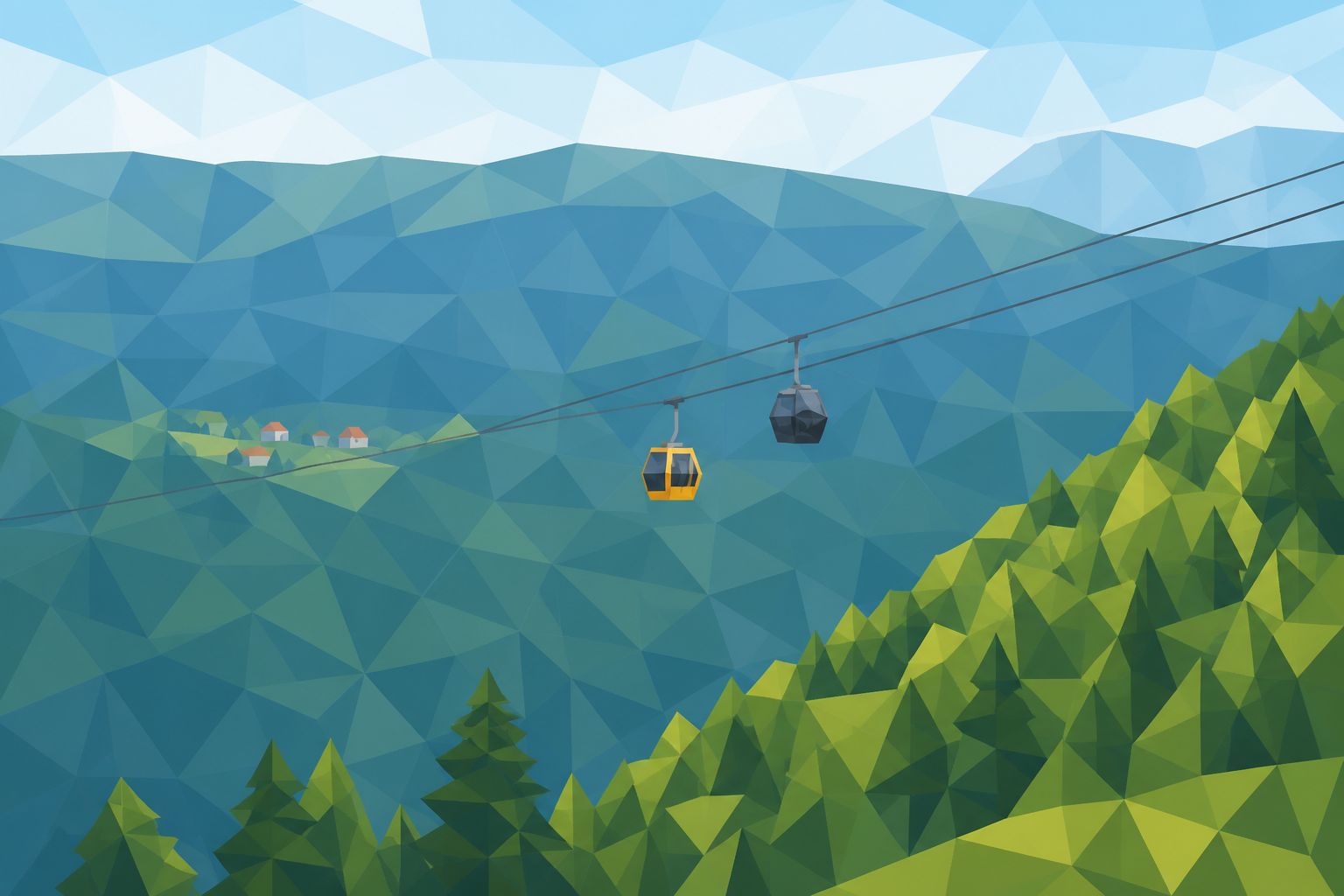
1.11aTrebević Cable Car in Sarajevo
Lesson goals
Vocabulary
- Name common weather conditions and the four seasons.
- Describe sun, rain, snow, wind, warmth, and cold.
- Recognize weather words in a mountain forecast.
Grammar
- Ask Kakvo je vrijeme? For a general weather report.
- Use neuter weather descriptions such as Hladno je and Oblačno je.
- Reuse present-tense patterns from earlier lessons.
Culture
- Explore autumn weather on Trebević and the Sarajevo cable car.
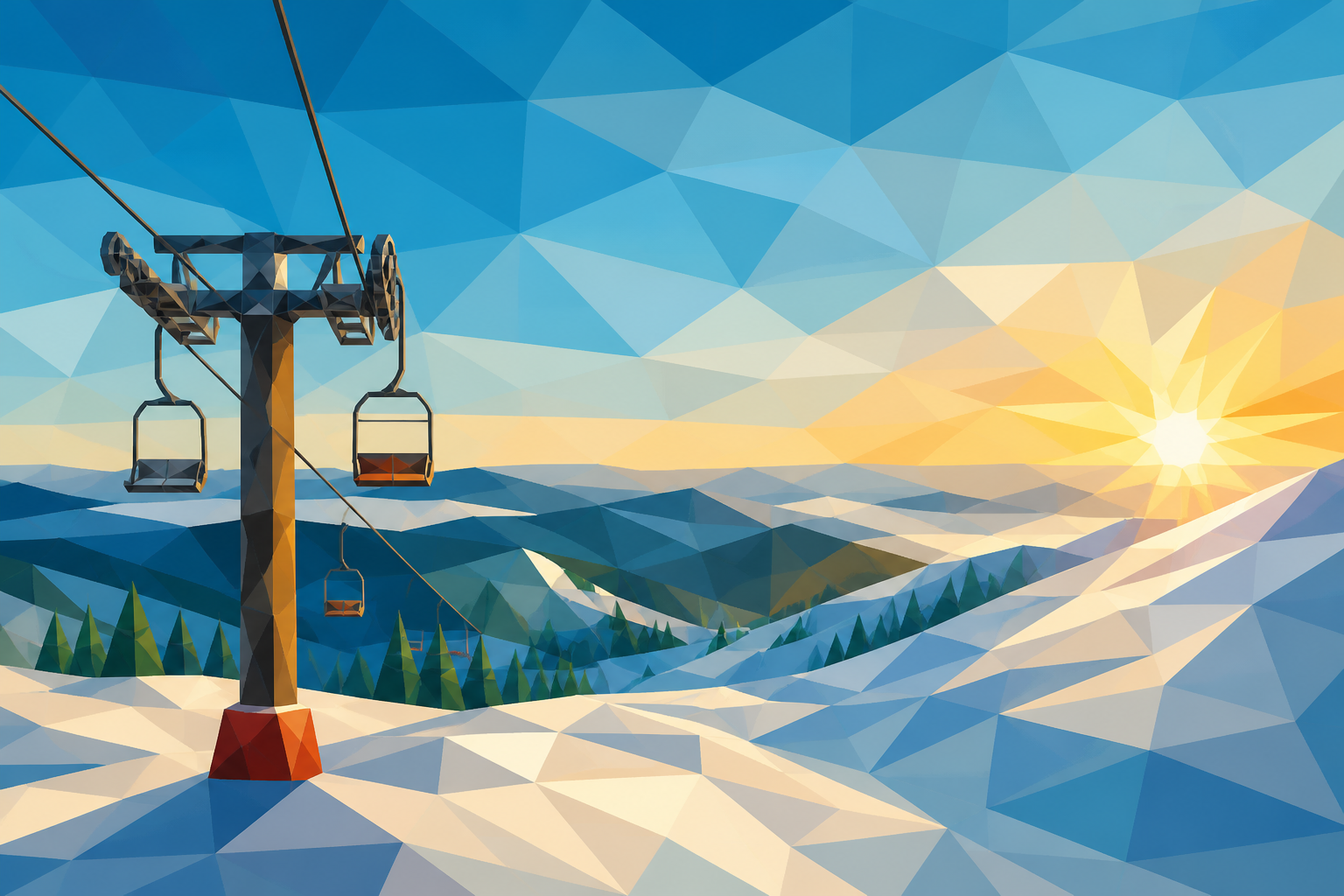
- Compare Trebević with a seasonal postcard from Jahorina.
- Understand why winter inversions affect air in the Sarajevo basin.
Watch the companion video
Watch when you can, then come back for words, dialogue, and practice on this page.
How To Speak Bosnian Weather. This speaker resource reinforces the weather phrases from Lesson 11.
Autumn above Sarajevo
Trebević rises directly above Sarajevo, but its forest air can feel far from the busy basin. Ana and Emir ride the cable car with a picnic and watch autumn colors spread below them. Sunce shines at first, then vjetar bends the branches and dark clouds gather. Emir shows a Jahorina postcard while Ana practices the four seasons. Jahorina is known for winter snow, while Trebević offers a quick mountain escape from the city. When kiša soaks the blanket, Ana learns that mountain weather rewards a good forecast and a flexible plan.
Lesson vocabulary
Tap a word to hear it. Use Loop and slower speed when you want to shadow.
Grammar
Kakvo je vrijeme?
Ask Kakvo je vrijeme? When you want a general weather report. Kakvo agrees with the neuter noun vrijeme. Learn the whole question as one line, since it works in every season.
- Kakvo je vrijeme?: How is the weather?
- Kakvo je vrijeme na Trebeviću?: How is the weather on Trebević?
- Vrijeme je hladno.: The weather is cold.
Neuter weather descriptions
Bosnian often describes the weather with a neuter adjective followed by je. Say Hladno je, Toplo je, or Oblačno je. These short sentences do not need a separate word for it.
- Hladno je.: It is cold.
- Toplo je.: It is warm.
- Oblačno je.: It is cloudy.
Pada kiša and pada snijeg
Use pada with rain or snow to describe what is falling. Say Pada kiša for rain and Pada snijeg for snow. Keep each pair together so you can report a sudden change quickly.
- Pada kiša.: It is raining.
- Pada snijeg.: It is snowing.
- Kiša pada na Trebeviću.: Rain is falling on Trebević.
Say again
Warm up with four lines you already know.
- Imam sobu.: I have a room.
- Moja soba je mala.: My room is small.
- Želim kahvu, molim.: I want coffee, please.
- Hvala!: Thank you!
Lesson A. Weather and season words
Start with vrijeme, sunce, kiša, snijeg, and vjetar. Then add the four seasons, which are proljeće, ljeto, jesen, and zima. Look at the Trebević view and describe what you can actually see. Say Sunčano je when the sky is bright, Oblačno je when clouds cover it, and Hladno je when the mountain air bites. Ana packs for warm autumn sun, but Emir notices the wind. Their different guesses turn the vocabulary into a real forecast. The mountain gives each term a visible reference. Repeat each weather sentence aloud, then choose one season and describe its usual conditions in two short Bosnian sentences.
- Keep vrijeme and Kakvo je vrijeme? Together as a useful question pattern.
- Say the complete sentence Hladno je instead of giving only the adjective.
- Use the Jahorina postcard to connect zima with snijeg.
Match the weather
Match each Bosnian weather word with its English meaning.
Lesson B. Report a changing forecast
Build a weather report from short, complete sentences. Ask Kakvo je vrijeme? And answer Toplo je, Hladno je, Sunčano je, or Oblačno je. When something begins to fall, switch to Pada kiša or Pada snijeg. Ana looks at one patch of blue sky and declares success, but the clouds cross Trebević before lunch. Emir hears the first drops and says Pada kiša. The picnic moves under shelter while Mrvica, safely at home, avoids the entire problem. A quick update keeps the group prepared. Practice changing your report from sun to cloud to rain so the phrases become quick enough for a real conversation.
- Use a neuter adjective because vrijeme is a neuter noun.
- Keep pada beside kiša or snijeg when you describe precipitation.
- Answer a weather question with one clear sentence before adding details.
Piknik na kiši
Amira packs a picnic near the café. Later Ana and Emir open the blanket by the Trebević cable car.
Play the full scene once. Then tap a line to hear it. On some lines you can record yourself for a short Speak Check.
Speak Check listens to your recording and sends back short tips.
Speak Check listens to your recording and sends back short tips.
Speak Check listens to your recording and sends back short tips.
Practice
Your keyboard may not have č ć š ž đ. Tap the accent buttons under each box to insert them.
Write the Bosnian question that asks how the weather is.
Hint: Begin with Kakvo.
Write the Bosnian sentence for It is cold.
Hint: Use hladno.
Write the Bosnian sentence for It is cloudy.
Hint: Use oblačno.
Write the Bosnian sentence for It is raining.
Hint: Use pada and kiša.
Write the Bosnian sentence for It is snowing.
Hint: Use pada and snijeg.
Write the Bosnian word for autumn.
Hint: The word begins with j.
Write the Bosnian word for spring.
Hint: The word begins with prol.
Fun facts
The cable car returned
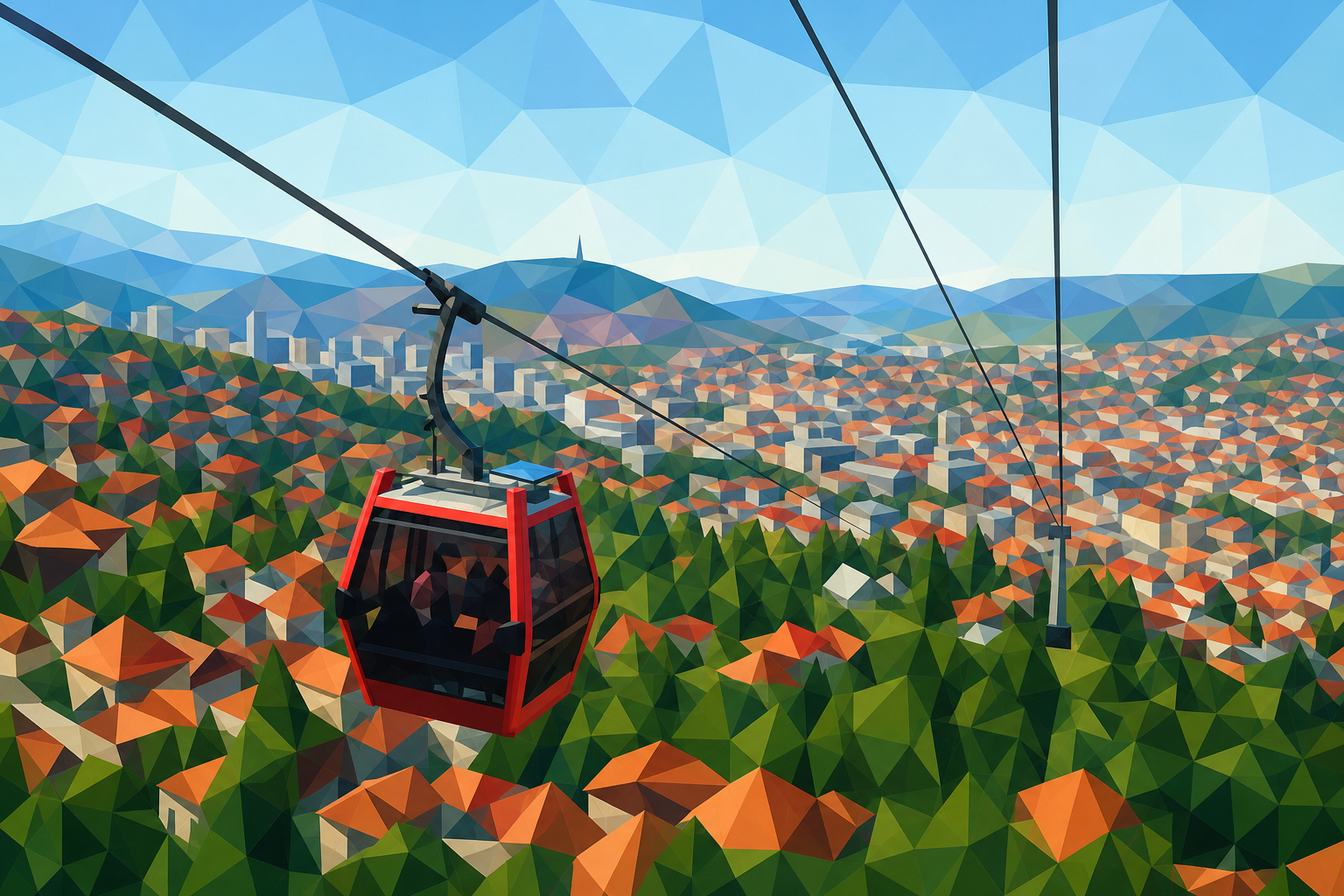
The Trebević cable car connects Sarajevo with the mountain above the city. The original line was destroyed during the war, and a rebuilt service opened in 2018. The ride now gives residents and visitors quick access to forest paths and broad views. The restored cable car has again made the mountain feel close to the city.
Jahorina changes with the seasons
Jahorina is a mountain where the season changes the entire experience. Winter brings ski slopes and reliable snow, while warmer months bring green trails and open views. A postcard from Jahorina helps Ana compare snijeg, sunce, zima, and ljeto. The mountain makes season words visible rather than abstract.
Mountain weather moves quickly
Weather on Trebević can change faster than weather in the basin below. Sun can disappear behind cloud, and wind can arrive before rain. Ana learns this fact when the picnic blanket becomes wet. The ruined picnic makes Kakvo je vrijeme? A practical question.
Čuj Bosnu with a weather lesson
A Bosnian teacher models weather words in a voice outside the story cast.
Speaker · How To Speak Bosnian · Weather lesson · focus ~45-90 seconds
Watch & listen
How To Speak Bosnian on YouTube (YouTube Terms of Service (embed))
Listen for a weather condition that you can report with je or pada.
Press play on the video above. After you have listened, show the gist question.
Bosnia today
Winter inversions trap polluted air
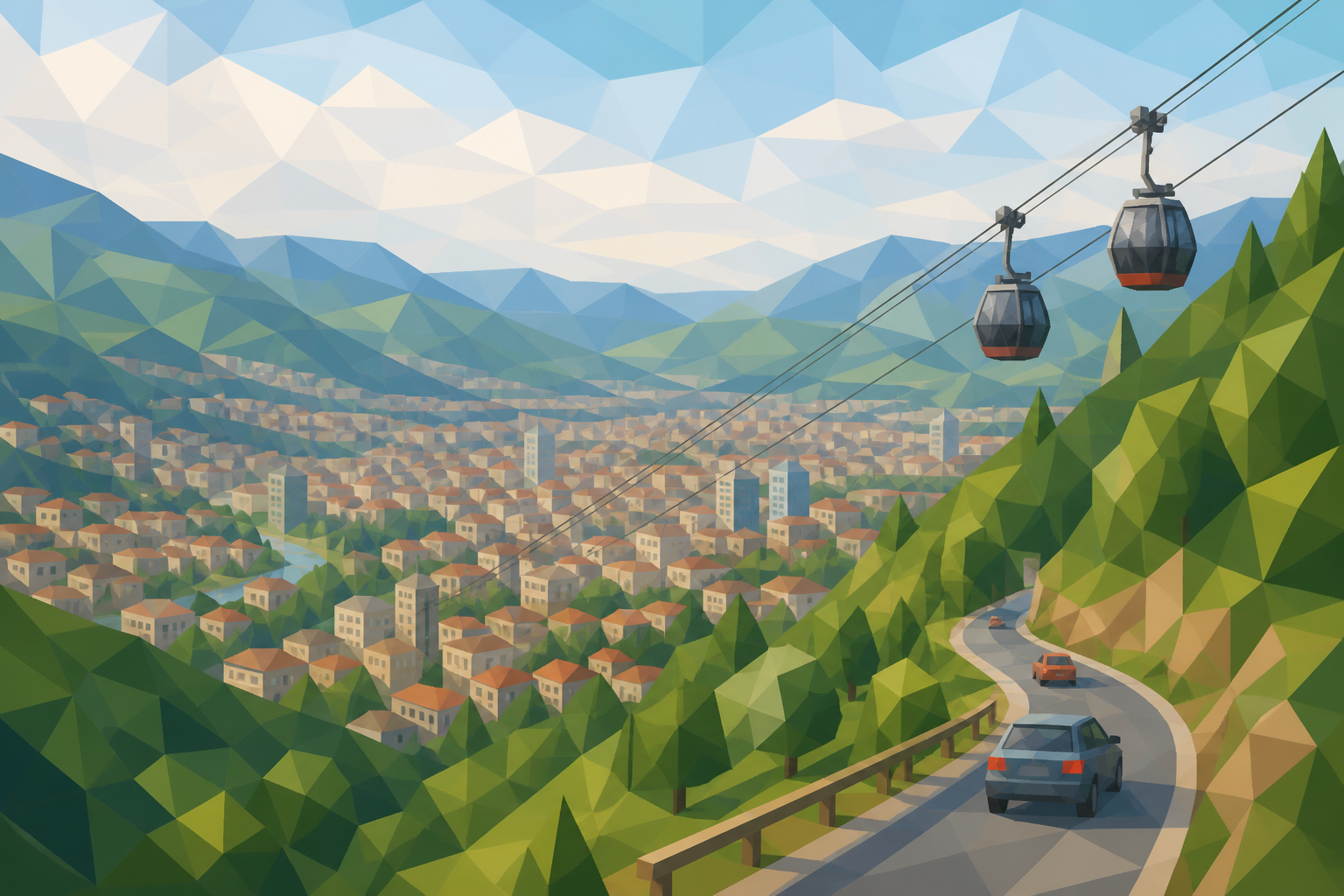
Winter air pollution is a serious civic problem in the Sarajevo basin. Mountains surround the city, and cold weather can create an inversion that holds a layer of colder air near the ground. Smoke and fine particles from heating, traffic, and other sources then stay trapped instead of dispersing. Residents may face unhealthy air for several days until wind or a weather change clears the basin. The same landscape that gives the cable car its striking view also makes clean winter air harder to protect.
Wikipedia article about Sarajevo climate
Practice game
True or false about the forecast
Decide whether each sentence matches the lesson.
Pada kiša means that it is raining.
Zima means summer.
Oblačno je describes cloudy weather.
The picnic stays dry.
Quick review
A few words from this lesson, plus ones you missed before. Flip the card, then mark how it went.
Card 1 / 5
More resources
- How To Speak Bosnian Weather. This speaker resource reinforces the weather phrases from Lesson 11.
- Next lesson. Lesson 12 invites Ana and Mrvica to Vrelo Bosne.
- Book 1 curriculum. The curriculum page lists every Book 1 lesson.
Lesson quiz
Or open the full-page quiz: Lesson 11 quiz
Lesson 11 section quiz
1. What does vrijeme mean?
2. Which sentence asks about the weather?
3. Which sentence means that it is cloudy?
4. Which season is zima?
5. What ruined Ana and Emir's picnic?
6. Which place appears on Emir's second mountain postcard?
7. Which sentence means that it is snowing?
8. Why can winter air pollution linger in Sarajevo?
