
Budućnost i naredbe
Idite na most is the polite command shape, while Idi stays blunt for one friend.
Why you are here
Today you learn three café tools that travel together. Future uses short ću, ćeš, će, ćemo, ćete, će plus an infinitive, as in Ti ćeš piti kahvu for you will drink coffee. Commands have a blunt form and a polite form, as in Radi versus Radite. Want, must, need, and can sit on htjeti, morati, trebati, and moći. English spreads these across will, please, and helper verbs. Bosnian keeps them short. This chapter is that bundle, and clitic second place waits for Chapter 12.
Why English lies
English lies because will, please, can, must, and need feel like separate drawers. You will drink, drink please, you must drink, and you can drink each grab different helpers and tones. Bosnian reuses a tiny future helper, a command ending, and four everyday modal verbs. Hoću overlaps with wanting. Moram is I must. Trebam is I need. Mogu is I can. Schools may split budućnost, imperativ, and modalni glagoli onto three posters. In this notebook they share one day because you meet them in the same café turn.
A line you already say
Book 1 already gave you Ana’s line Želim kahvu, which means I want coffee. Wanting also rides on htjeti, so Hoću kahvu is a blunt cousin you will hear. Emir can answer Ja ću piti kahvu when he means I will drink coffee. Amira can soften a command to Molim, radite or keep it blunt with Radi. Today you map those moves without inventing English word-for-word copies.
The pattern
Future is a short helper plus an infinitive. Ja ću piti, ti ćeš piti, on će piti, mi ćemo piti, vi ćete piti, oni će piti. The helper likes second place, so Ja ću piti kahvu and Piti ću kahvu both appear, and a naked Ću at the start of a sentence is wrong. Commands cut to a short stem for one friend, as in Radi, Pij, and Idi, and they add -te for polite or plural, as in Radite, Pijte, and Idite. The modal row is small. Mogu means I can. Moram means I must. Trebam means I need. Hoću means I want. Keep the Chapter 8 who-endings on those modals, and leave the finish of the action for another day.
| Tool | One form | Sister form |
|---|---|---|
| Future I / you | Ja ću piti. | Ti ćeš piti. |
| Future, verb first | Piti ću. | Piti ćeš. |
| Command work | Radi! | Radite! |
| Command drink | Pij! | Pijte! |
| Can / must | Mogu. Moram. | Možete. Morate. |
| Need / want | Trebam. Hoću. | Trebate. Hoćete. |
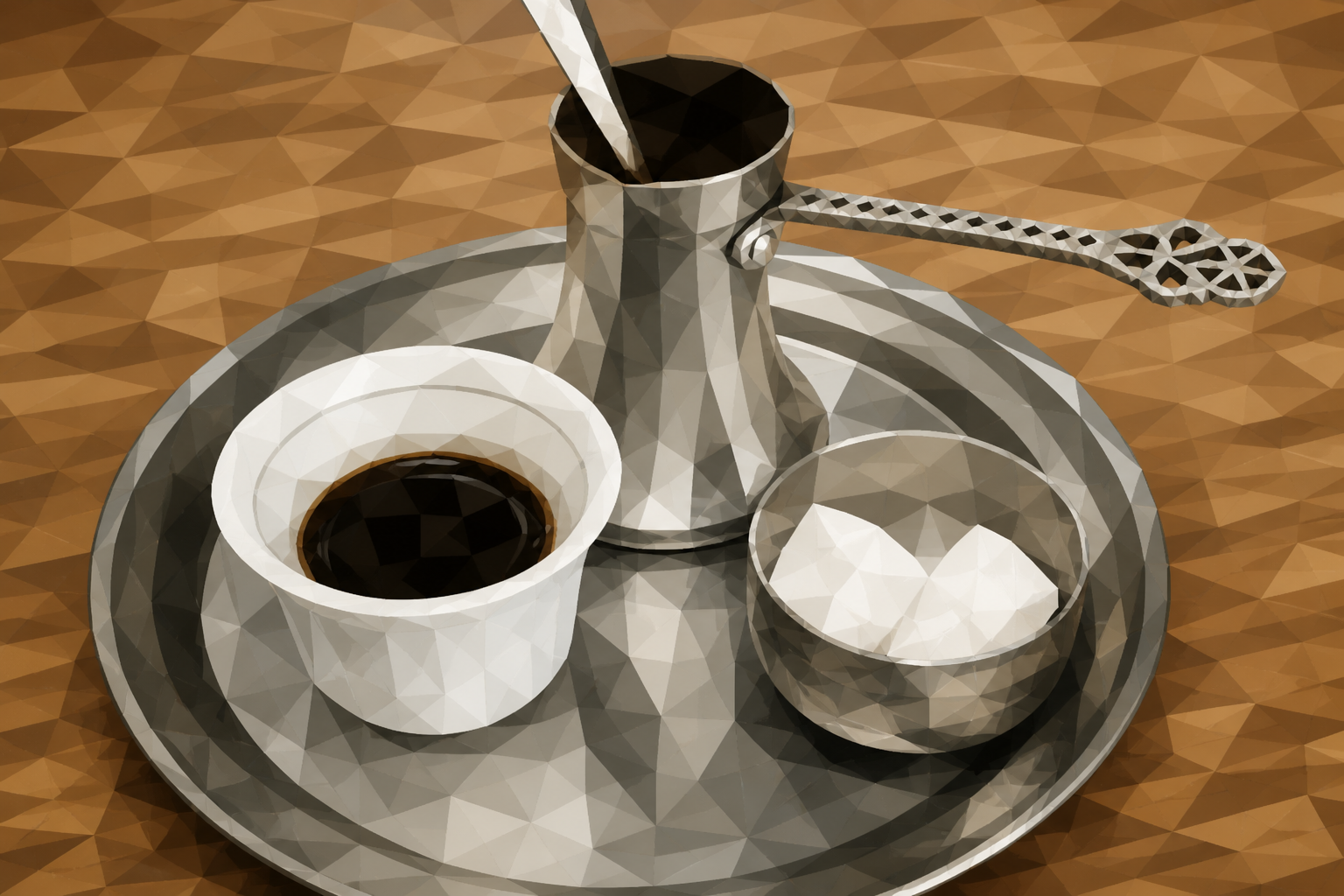
Ja ću piti kahvu hangs the future on ću in second place plus the infinitive, not on an English will stuck in front of pijem.
The pests
Three pests will trip you today. The first pest is stacking English will onto a present form, as in will pijem, or parking ću at the front of the sentence. Use Ja ću piti or Piti ću. The second pest is barking Radi at a stranger when Radite or a soft molim would fit. Blunt is fine with friends. Polite -te is safer with new people. The third pest is mixing trebati and morati. Moram is duty pressure. Trebam is need. Hoću is want, and it is not the same soft wish as želim in every room, even when both translate want.
The bit that tricks you
The trap is to treat ću as optional flavor on a present sentence, or to put ću first. Ja ću piti is future. Pijem is present. Ću piti with nothing before ću breaks the second-place habit Chapter 12 will name. The other trap is to hear Hoću kahvu and decide Bosnian lost želim. Both live. Želim often sounds like a plain want from Book 1. Hoću can sound stronger or more blunt. For commands, do not add please into the verb ending. Molim is a separate softener beside Radite.
| English aim | Bosnian tool | Watch |
|---|---|---|
| I will drink coffee. | Ja ću piti kahvu. | ću in second place |
| Drink! | Pij! | blunt command |
| Please drink. | Pijte. / Molim, pijte. | polite -te |
| I must go. | Moram ići. | morati, not trebati |
| I can. | Mogu. | moći changes shape |

Hoću, moram, trebam, and mogu are the short café row for want, must, need, and can.
Sample words
Tap a word to hear it.
Look at these
Each line has a speaker. Tap the line to hear it. On some lines you can record yourself for a short Speak Check.
Speak Check listens to your recording and sends back short tips.
Speak Check listens to your recording and sends back short tips.
Speak Check listens to your recording and sends back short tips.
Try these
I will drink coffee.
Will you come?
Blunt command. Work!
Polite command. Work.
I must go home.
I need coffee.
I can come.
Someone says will pijem kahvu. What is the fix?
Softening a polite command often adds which word?
I want coffee (blunt café want).
Quick check
1. Polite command. Drink the coffee.
2. How do you build I will drink coffee?
3. Radi versus Radite is which contrast?
4. Moram ići marks which meaning?
5. Mogu doći means what?
6. What comes next after future, commands, and modals?
Next
You now have ću for tomorrow, blunt versus polite commands, and the café row mogu, moram, trebam, and hoću. Chapter 12 is why little words like se and sam hunt second place in the sentence. Ja se zovem works. Se zovem does not. That habit finishes the grammar walk before the English-shaped mistakes review.
